



 Tiếng Việt

For many years, CSR in Vietnam has been associated primarily with sponsorships, donations and charitable contributions to communities. These remain important ways for businesses to demonstrate social responsibility and direct resources toward pressing issues.
But as sustainable development becomes a genuine priority in corporate strategy, the way companies approach CSR (Corporate Social Responsibility) is changing. Across every sector, CSR in Vietnam is being rebuilt around participation rather than patronage. The question is no longer how much a company gives, but what measurably changes on the ground because it acted.
What this article covers
- How CSR in Vietnam is shifting from sponsorship to direct impact
- Three reasons businesses are choosing this model
- What the data from a single activity actually looks like
- The role of nonprofit partners
- Building a CSR program with Keep Vietnam Clean
The shift from sponsorship to directly creating impact
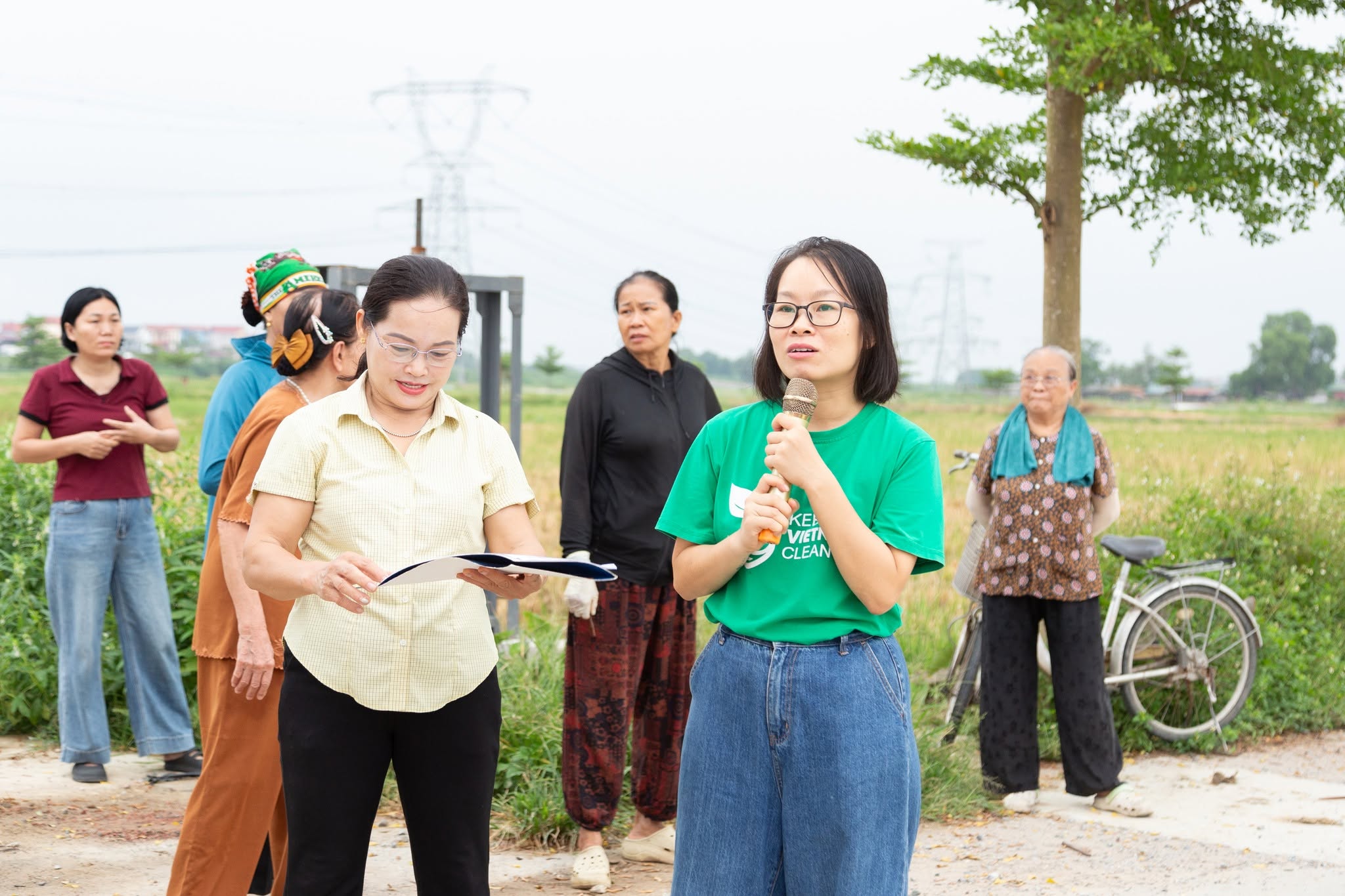
The most significant change in CSR in Vietnam today is that businesses are moving beyond financial support to becoming directly involved in addressing social and environmental issues. This positions CSR as an integrated part of a company’s sustainability strategy, while creating additional value for the business and its employees.
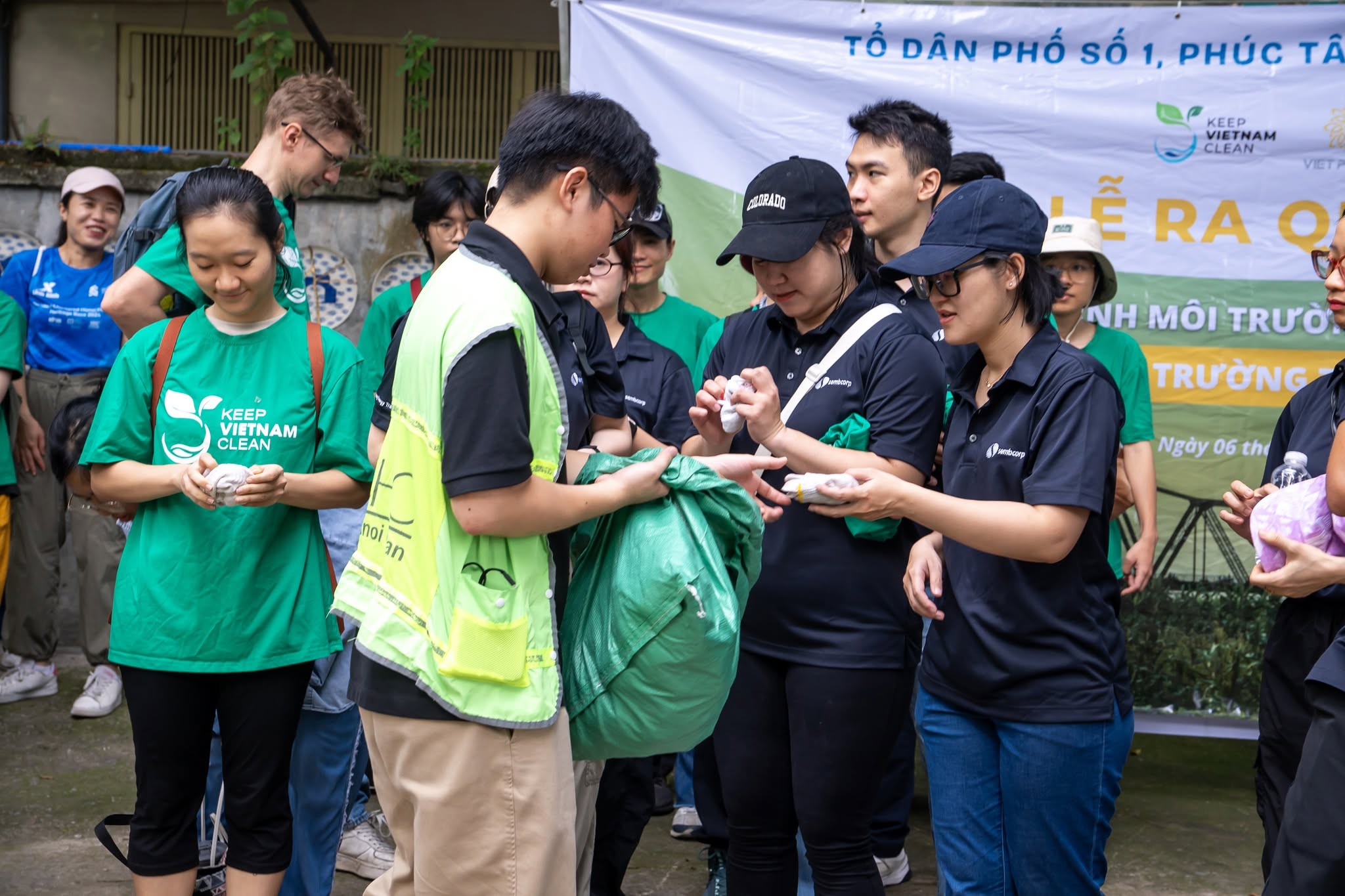
Tree planting, environmental clean-ups, public space improvement and community volunteering are increasingly part of annual CSR plans, and they now make up the visible core of CSR in Vietnam. Many businesses also encourage employees to adopt sustainable behaviours at work and at home: reducing single-use plastic, sorting waste, joining environmental campaigns.
Through direct participation, employees gain a deeper understanding of the challenges local communities face. That strengthens awareness and encourages lasting behavioural change. The business, in turn, becomes part of the solution rather than a supporter from the outside.
There is a second, quieter reason for the shift. A sponsorship ends when the transfer clears. A participation-based program keeps producing value long after the day itself — in the photographs, the data, the internal stories employees tell each other, and the relationships built with the community that hosted the activity.
Why businesses are choosing this model of CSR in Vietnam
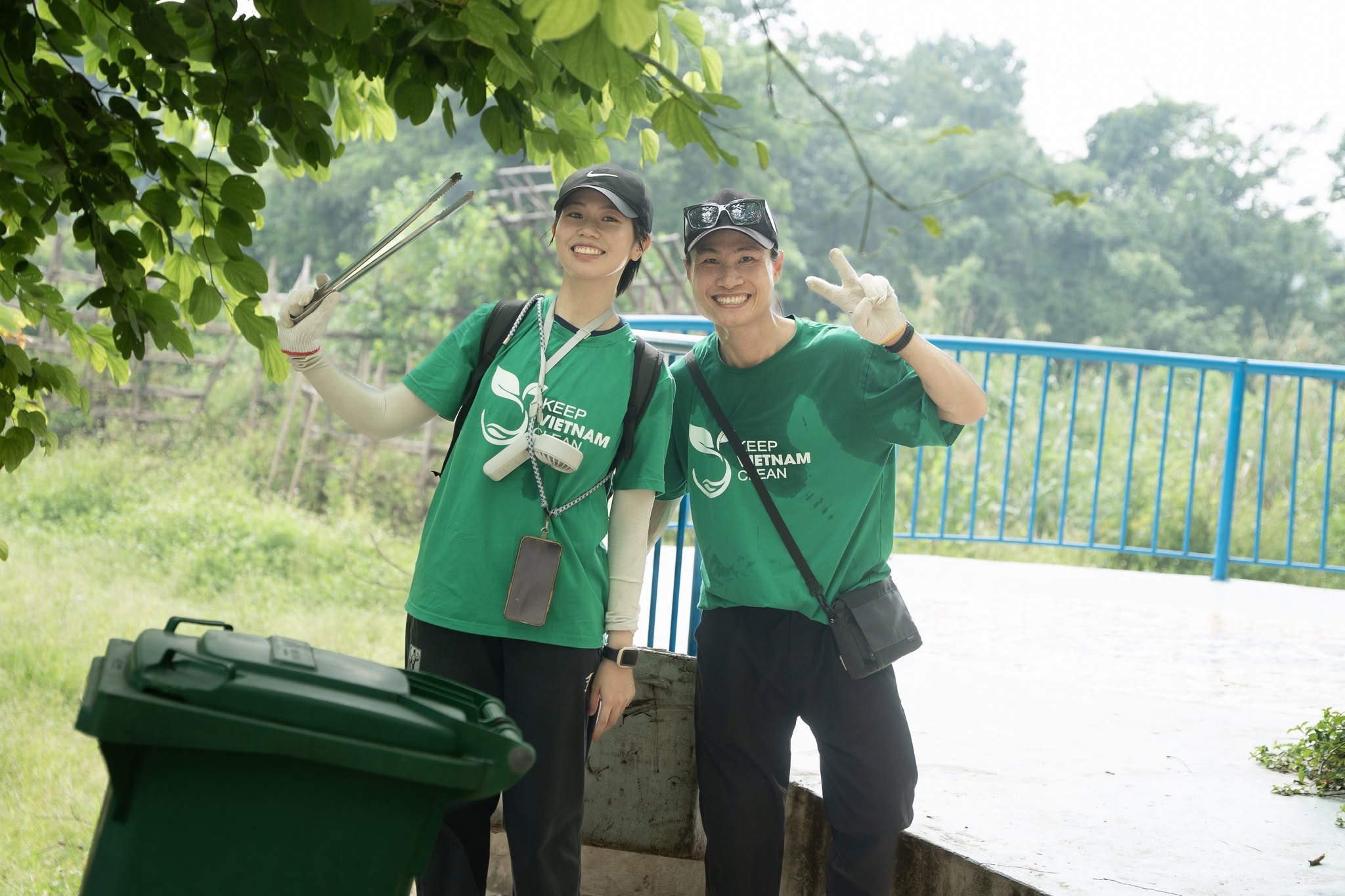
The shift is driven not only by a desire to create social impact, but by the practical value these programs return to the business.
1. Measuring impact through data
An effective CSR program needs clear, reliable data — the foundation for documenting sustainability initiatives and reporting results. After each activity, businesses can track:
- The amount of waste collected and sorted
- The number of employees who participated
- The total volunteer hours contributed
- The number of trees planted and their location
- The community areas cleaned or improved
This is the sharpest difference from sponsorship. A donation is difficult to convert into a specific environmental metric, while a single clean-up produces a measurable figure in kilograms on the day it happens — data that works in an ESG report, in internal communications, and in conversations with partners.
The numbers are also usefully small and specific. A programme that reports “99.5 kg of waste collected and 11 trees planted by 28 participants” is far more credible than one that reports a budget figure, precisely because it can be checked. Specificity, not scale, is what makes an impact claim survive scrutiny.
2. Strengthening employee engagement
CSR activities let employees work toward a shared goal beyond their day-to-day responsibilities. That strengthens teamwork, deepens engagement, and builds a corporate culture around values people can see in practice.
This matters more than it once did. Employees — particularly younger ones — increasingly assess an employer on what it actually does about environmental and social issues, not on what its values page says. A half-day spent clearing a riverbank communicates a company’s position more convincingly than any internal campaign.
3. Contributing to the sustainability strategy
When CSR in Vietnam is implemented with a focus on tangible impact, businesses gain a stronger foundation for sustainability initiatives and for meeting the expectations of partners, customers and employees. Concrete results also make sustainability commitments far more credible — increasingly what international frameworks such as the UN Global Compact expect.
For companies in export supply chains, this is no longer optional. Buyers in the EU and other markets are asking for evidence of environmental and social activity, and a documented programme of CSR in Vietnam is one of the more straightforward ways to answer that request with something verifiable.
The role of nonprofit partners in CSR in Vietnam
For a CSR program to create meaningful impact, a business needs more than an idea and a budget. Identifying genuine local needs, designing the right activities and delivering them well all require practical experience and real understanding of the local context.
This is why many businesses work with established nonprofit organisations. With local networks and experience running community projects, these organisations help businesses connect to real community needs, use resources transparently, and get more out of every program. They also make it far easier to monitor and evaluate the impact afterwards.
In practice, this is what separates a workable programme of CSR in Vietnam from a photo opportunity. A partner handles the parts a company has no reason to be good at: securing permission from the ward authorities, sourcing the right equipment, briefing volunteers on safe handling and waste sorting, arranging collection with the local waste service, and weighing and categorising the result. What looks from the outside like a simple morning of work is, in practice, several weeks of preparation.

Common mistakes when starting a CSR program
Three patterns recur among companies approaching CSR in Vietnam for the first time, and all three are avoidable.
Treating it as a one-off event. A single activity photographs well and changes very little. Programmes that produce results are the ones repeated in the same location over time, so improvements hold rather than reverting within weeks.
Choosing the location for the photographs. The most visually appealing site is rarely the one with the greatest need. Letting the local context set the priority produces a better outcome and a more honest story.
Not deciding what to measure before starting. Data that was not planned for cannot be reconstructed afterwards. Agreeing the metrics with a partner in advance is the difference between a programme you can report on and one you can only describe.
Build an effective CSR program with Keep Vietnam Clean
At Keep Vietnam Clean, we have spent years working on the practical side of CSR in Vietnam. We work with businesses to design and deliver environmental CSR programs: clean-ups, tree planting, public space improvement, and activities that connect employees with local communities.
Each program is built around the actual needs of the local area, with a focus on measurable outcomes and long-term value for both the community and the business. Every activity ends with a short report — waste collected by category, participants, hours, and photographs — that a company can use directly in its own sustainability reporting. You can read our story and browse what we have delivered so far to see how we work, or look at the services we offer businesses.
If your business is looking for an approach to CSR in Vietnam that creates real environmental impact, strengthens employee engagement and supports your sustainability goals, Keep Vietnam Clean is ready to build a solution that fits your organisation.
- Register for a consultation: keepvietnamclean.org/our-services
- Email: info@keepvietnamclean.org
- Contact: +84 97 450 63 50