
 Tiếng Việt

On June 7, 2026, at Diamond Westlake Suites in Hanoi, Keep Vietnam Clean (KVC), in collaboration with Green Gem Shop (GGS), organized the “Circular Fashion Fair & Forum”. The event brought together green businesses, development organizations, experts and community members who share an interest in circular fashion in Vietnam and sustainable consumption.
Inspired by the challenges encountered in operating Green Gem Shop — a Keep Vietnam Clean initiative for collecting and redistributing pre-owned items — we recognized a growing need to build an ecosystem that can effectively support reuse, recycling and the extension of product lifecycles. The “Circular Fashion Fair & Forum” was therefore organized to create a space for dialogue, collaboration and the promotion of solutions that advance circular fashion in Vietnam.
What this article covers
- The five bottlenecks holding back circular fashion in Vietnam
- What the panel speakers brought to the discussion
- The 15 exhibitors and the three models they represent
- Where the ecosystem goes from here
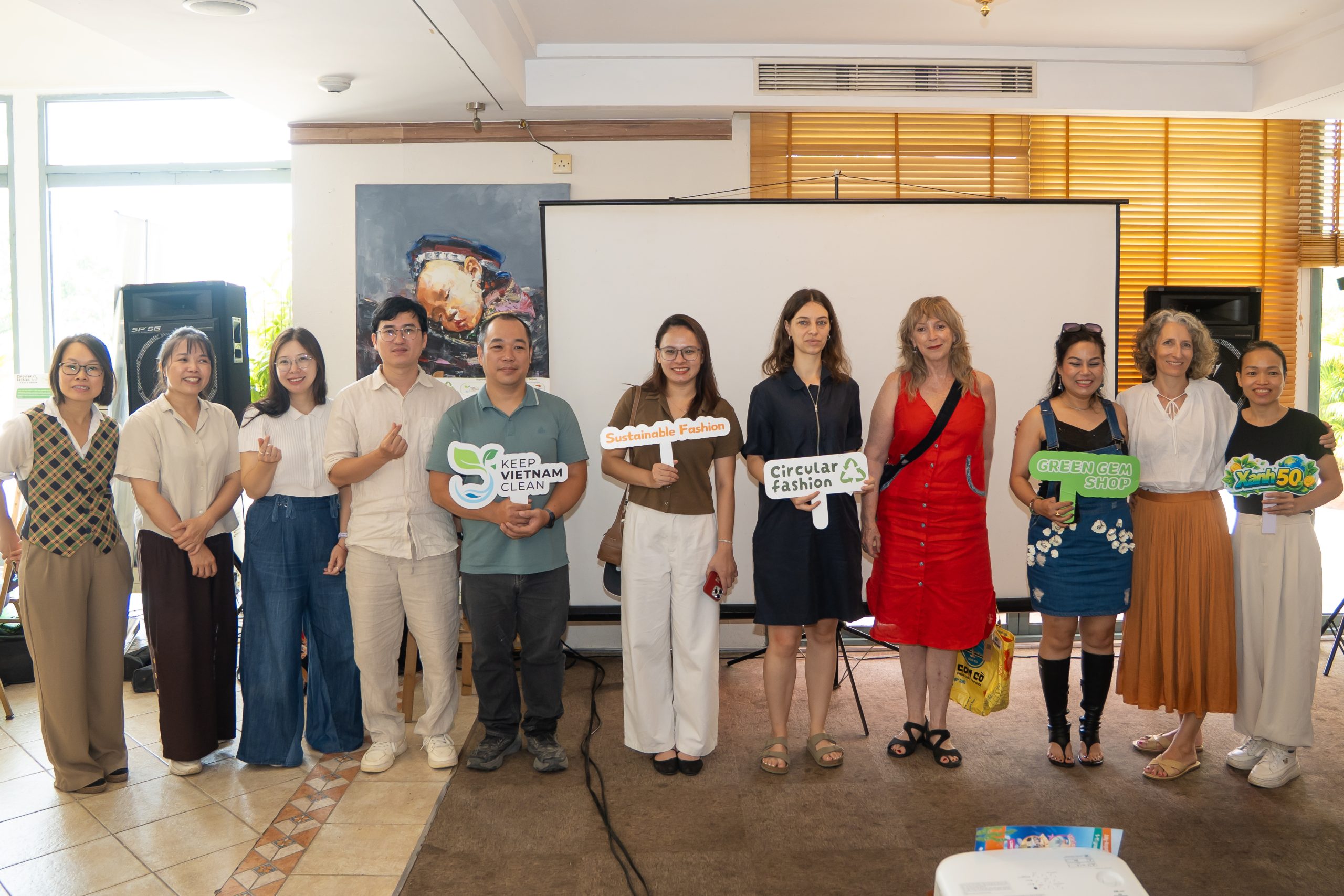
Panel discussion: opportunities and challenges for circular fashion in Vietnam
As part of the event, the panel discussion brought together representatives from development organizations, businesses and members of our Circular Fashion Network to explore the opportunities, challenges and potential areas of collaboration for solving textile waste in Vietnam.
Opening the discussion, Ms. Lê Thị Hải Yến, Program Officer at Keep Vietnam Clean, introduced the Circular Fashion Network and highlighted five key challenges currently facing the sector:
- Limited access to market information
- Constraints in textile recycling technology in Vietnam
- Insufficient upcycling capacity
- Low public awareness of circular fashion
- The lack of stable market demand for recycled products
Four of five bottlenecks are market problems, not technical ones
Reading that list closely reveals something worth naming. Only one of the five — recycling technology — is a technical constraint. The other four are all questions of market structure: who knows what is available, who has the capacity to process it, who understands why it matters, and above all who is willing to buy the result.
This reframes the problem. Circular fashion in Vietnam is not primarily waiting on a machine that does not yet exist. It is waiting on demand that would make the existing machines worth running. A recycler with no reliable buyer stops recycling, regardless of how good the technology is. That is why an event built around connecting businesses to each other and to consumers is not a side activity to the technical work — for four of these five bottlenecks, it is the work.
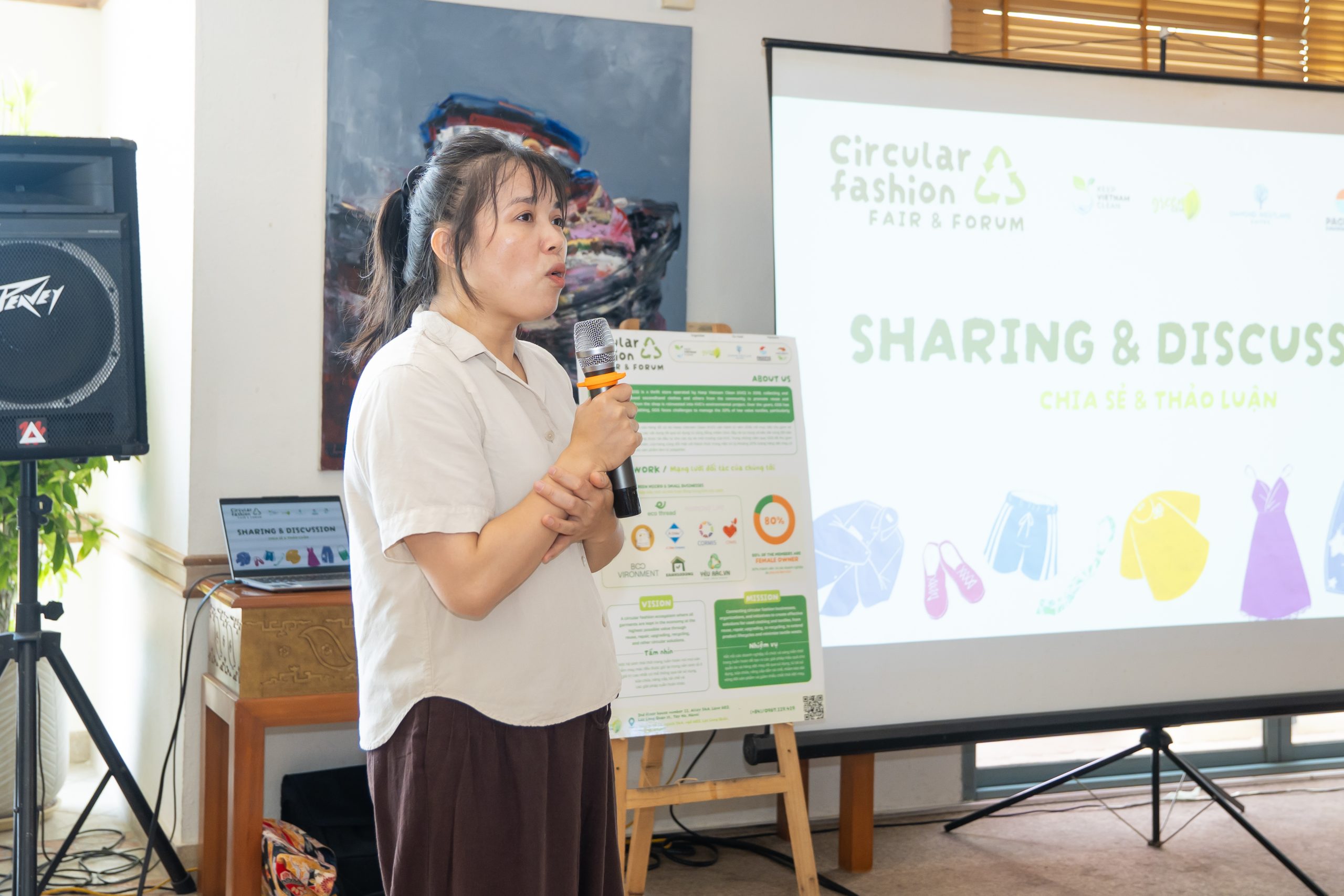
Perspectives from across the value chain of circular fashion in Vietnam
Representing Handmade Bee, Ms. Đào Kim Chi shared practical insights from a circular business model centered on denim materials, while highlighting both the opportunities and challenges faced by Vietnamese handmade businesses in bringing their products to international markets.
Through the story of Harmony Life with Jess, Ms. Jessica inspired participants with examples of how women-led businesses in Da Nang are creating sustainable livelihoods through creative recycling initiatives and circular fashion models.
From an industry development perspective, Ms. Mira Nagy, Program Implementation Manager of the Go Circular Programme in Vietnam at GIZ, provided an analysis of the challenges associated with textile waste recycling in the garment and textile sector.
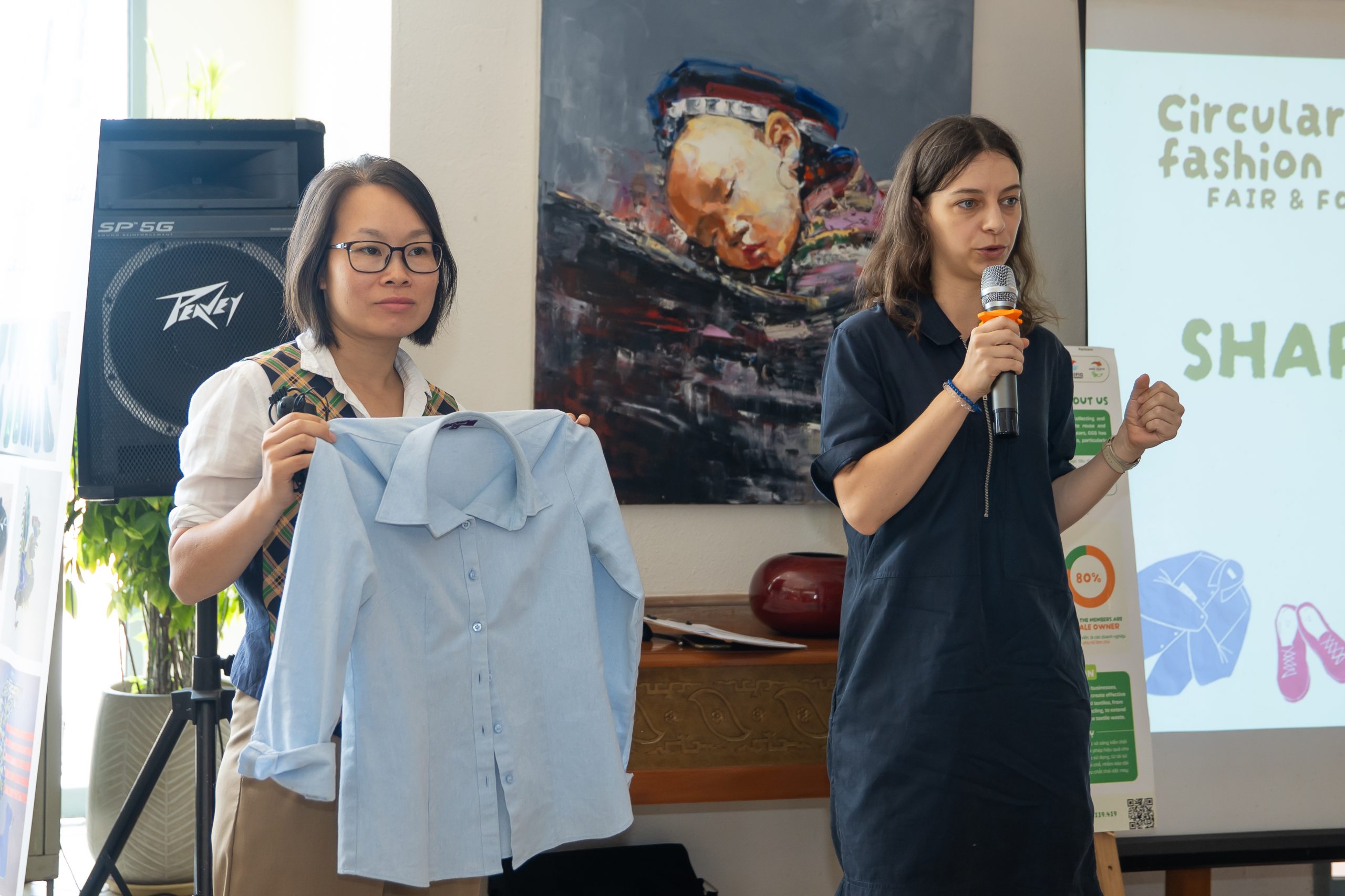
Representing TAGOM, Mr. Vũ Đức Chung shared insights into a waste collection and source-separation model, highlighting the important role of waste management systems in fostering the growth of a more effective circular economy.
In addition, Ms. Yin Li, representing Investing in Women, introduced ongoing efforts to promote women’s economic empowerment. Concluding the panel, Ms. Trần Thị Kim Tuyến from Pacific Environment Vietnam (PEVN) shared perspectives on the potential for developing Vietnam’s second-hand and reused fashion market.
The session was lively and engaging, featuring valuable contributions from participants and reflecting the growing interest of communities and stakeholders in circular fashion in Vietnam. The diverse perspectives shared throughout reaffirmed that building a sustainable fashion ecosystem requires collective action from businesses, development organizations, technical experts and consumers alike.
Fair exhibition: circular fashion solutions already in action
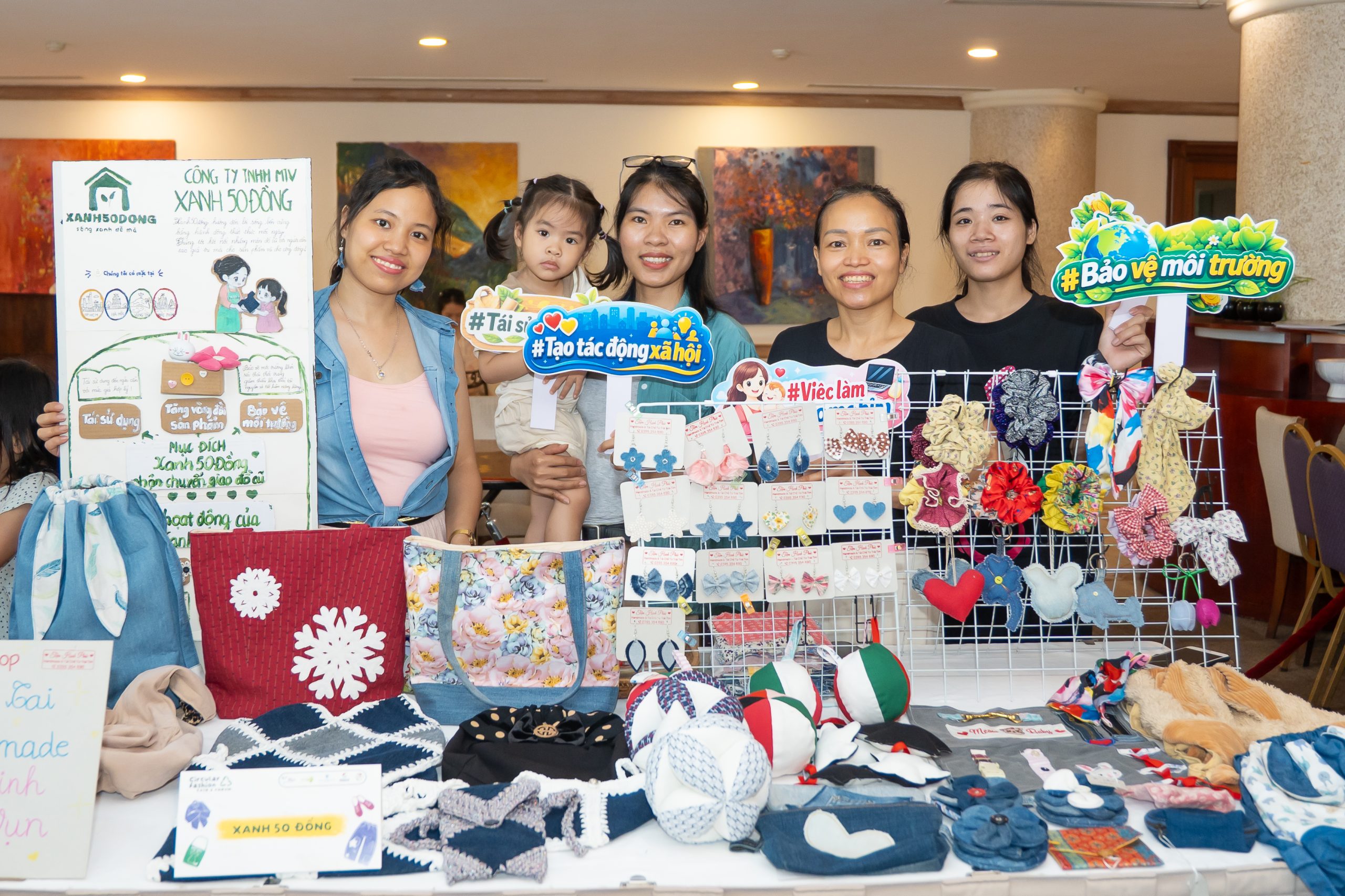
Alongside the discussion forum, the Circular Fashion Fair brought together 15 exhibition booths and a range of hands-on activities focused on circular fashion and sustainable lifestyles. More than a showcase of green products, the fair served as a dynamic space where visitors could discover practical and innovative approaches to extending the lifecycle of materials, promoting reuse and reducing fashion waste.
The exhibitors fell into three distinct models, and together they map the full lifecycle of a garment after its first owner is finished with it.
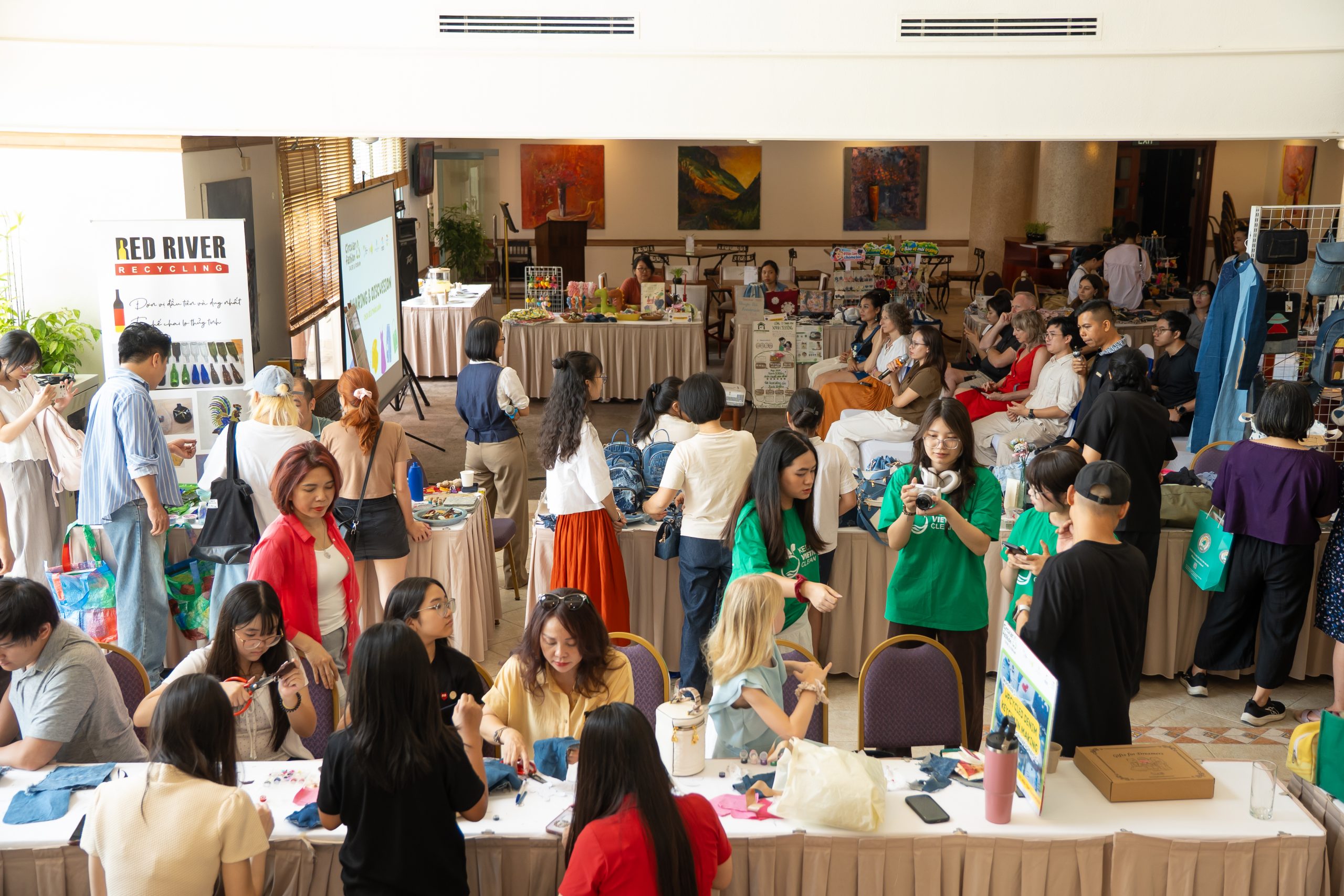
1. Reuse and redistribution — keeping garments whole
The first and simplest form of circular fashion in Vietnam is also the one that requires no new infrastructure at all.
Urban Circular Space, Green Gem Shop, Cộng đồng Xanh50 – mẹ bỉm làm việc xanh, and Das4 Circular Fashion showcased how pre-loved clothing and second-hand items can continue their lifecycle through consignment, exchange, donation, resale and redistribution to those who need them most.
This is the highest-value tier of circular fashion in Vietnam, because nothing is broken down and no energy is spent reprocessing material. A garment that finds a second owner intact retains all the water, dye and labour originally invested in it.
2. Upcycling — remaking material that can no longer be worn
From discarded denim, advertising banners, fabric scraps and used glass bottles, Handmade Bee, Mèo Tôm Handmade, LÁ XANH Handmade Workshop, Fabric Upcycle House, Unrolled. Upcycled & Unique, and Red River Recycling showcased how waste materials can be transformed into new products with both practical use and aesthetic value.
By giving a second life to materials often considered waste, these initiatives are helping reshape perceptions of “trash” while demonstrating the creative potential of upcycling in advancing circular fashion in Vietnam.
3. Social impact — circularity as livelihood
Beyond environmental benefits, circular fashion in Vietnam is also creating meaningful social impact by supporting livelihoods and fostering community inclusion. Harmony Life with Jess, Sợi Xanh Kết Nối / EcoThread (Mai Lan Cooperative), HSVC Shop Diệu Kỳ, and SEED Center Official demonstrated how circular fashion can serve as a tool for job creation, creative empowerment and support for vulnerable communities.
Alongside the exhibition, participants joined hands-on workshops, gaining practical insights into recycling and reuse while exploring sustainable solutions that can be integrated into everyday life.
Building a circular fashion ecosystem in Vietnam together
The “Circular Fashion Fair & Forum” was not only an opportunity to showcase initiatives and practical models, but also a platform for stakeholders to connect, exchange experiences and strengthen collaboration — addressing exactly the market-information and demand gaps the panel identified.
Through diverse perspectives from businesses, development organizations, experts and communities, the event fostered important conversations about the future of circular fashion in Vietnam and the collective efforts needed to support its growth.
Keep Vietnam Clean would like to express our sincere gratitude to all guest speakers, partners, volunteers and visitors whose contributions made this event a success. We believe that every responsible consumption choice made today can help reduce waste and contribute to building a greener, more sustainable future for everyone.
Learn more
- Green Gem Shop and our work on circular fashion in Vietnam: keepvietnamclean.org/ladipage-ggs
- Our story: keepvietnamclean.org/our-story
- Recent activities: keepvietnamclean.org/latest-news