
 Tiếng Việt

12–14 August 2026 | GT-Toyota Asian Center Auditorium, University of the Philippines-Diliman
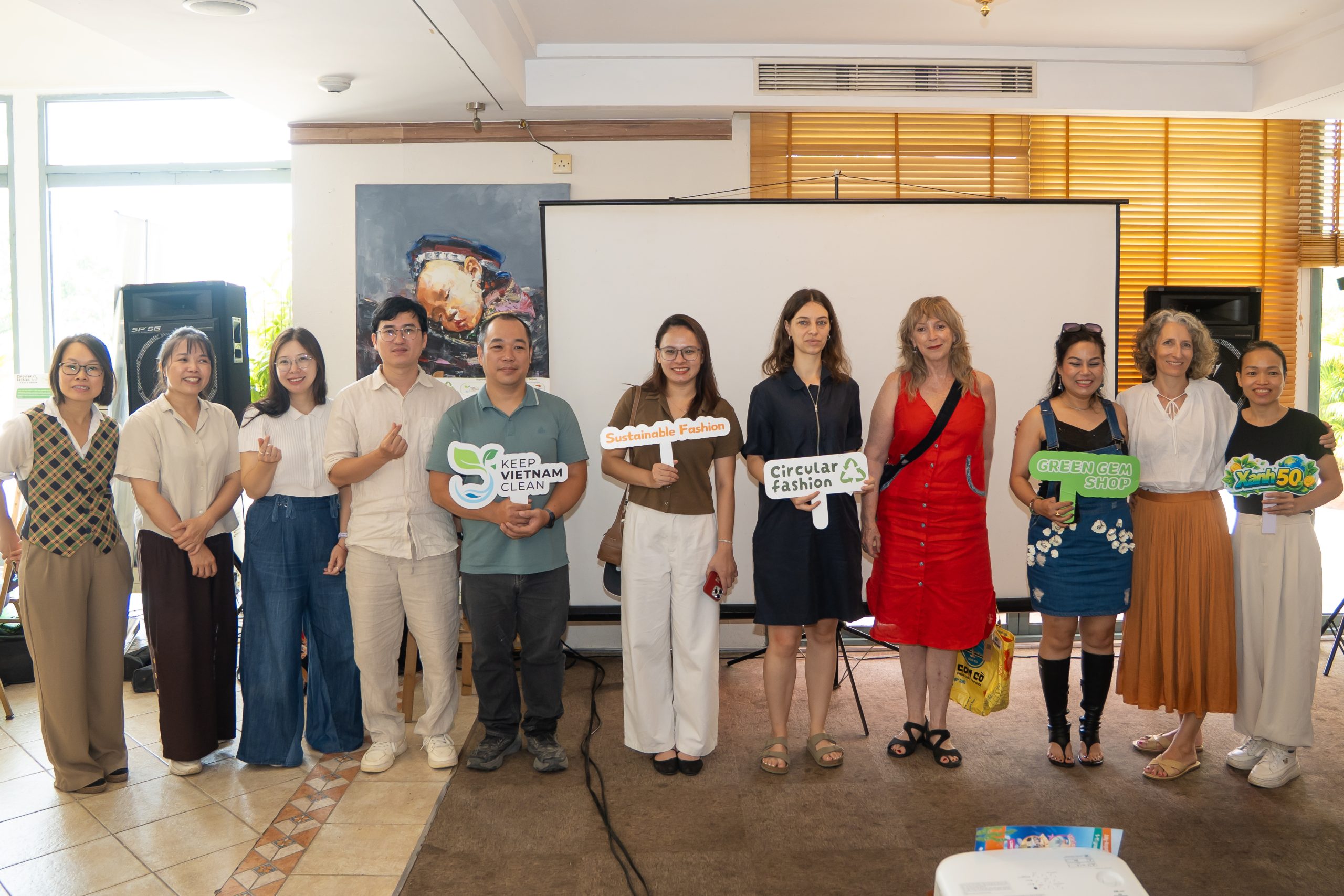
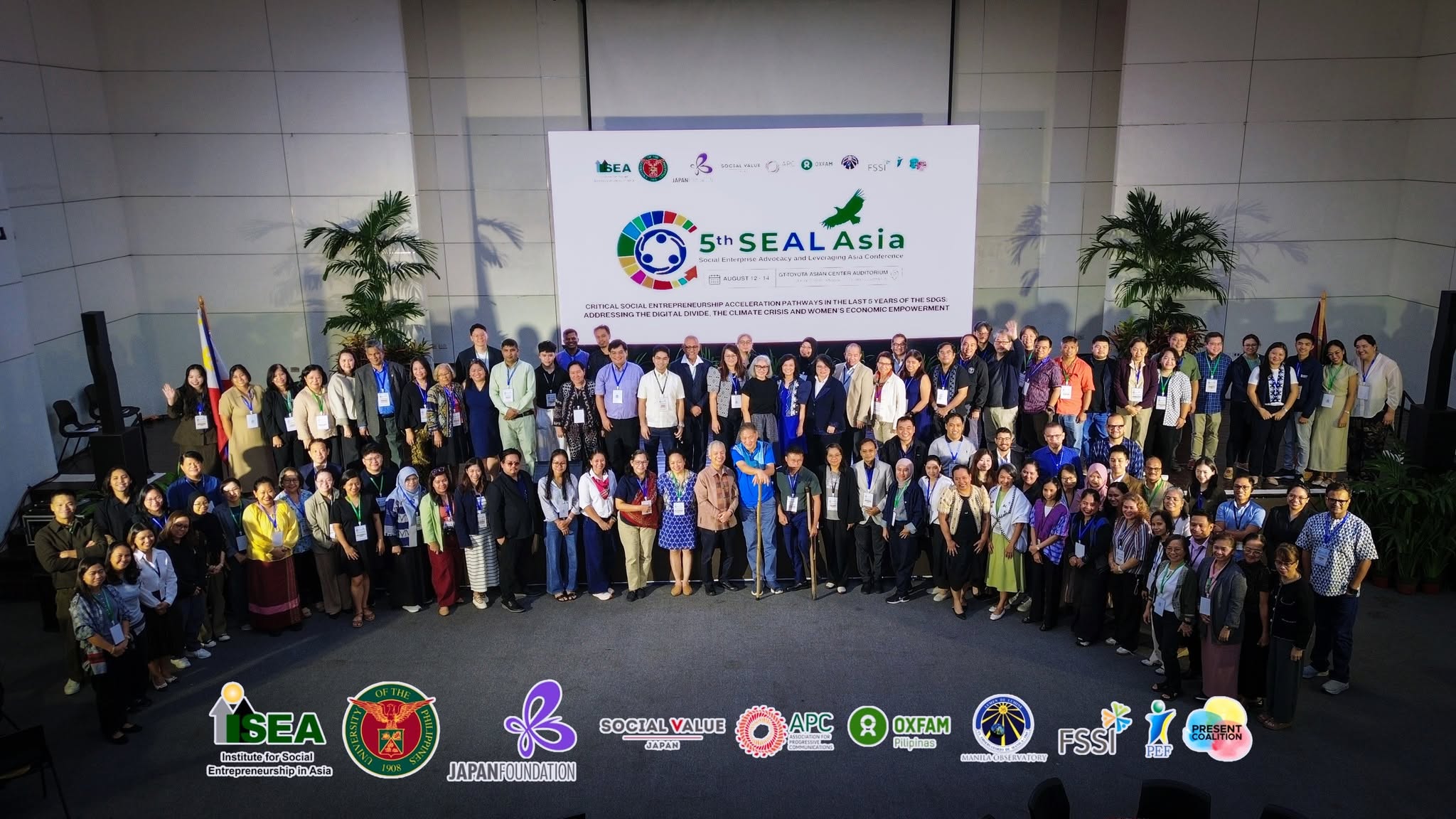
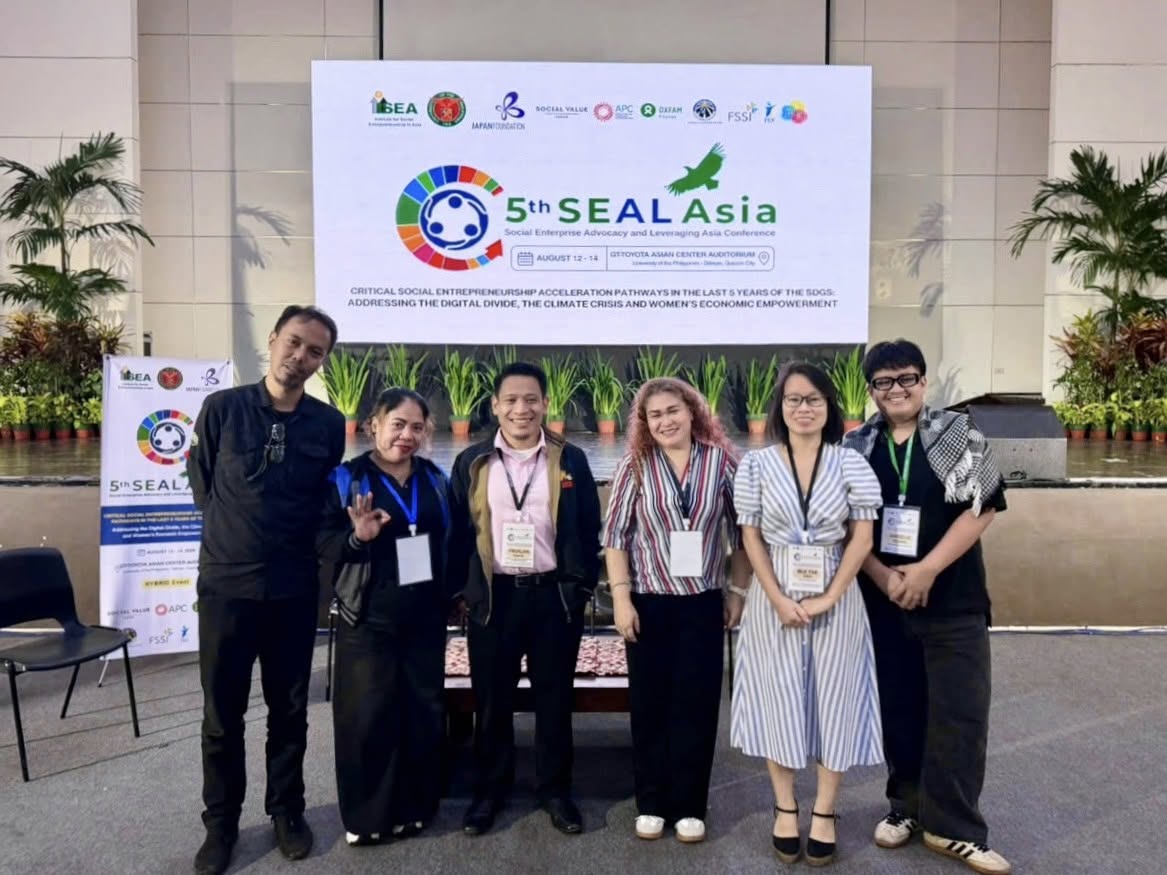
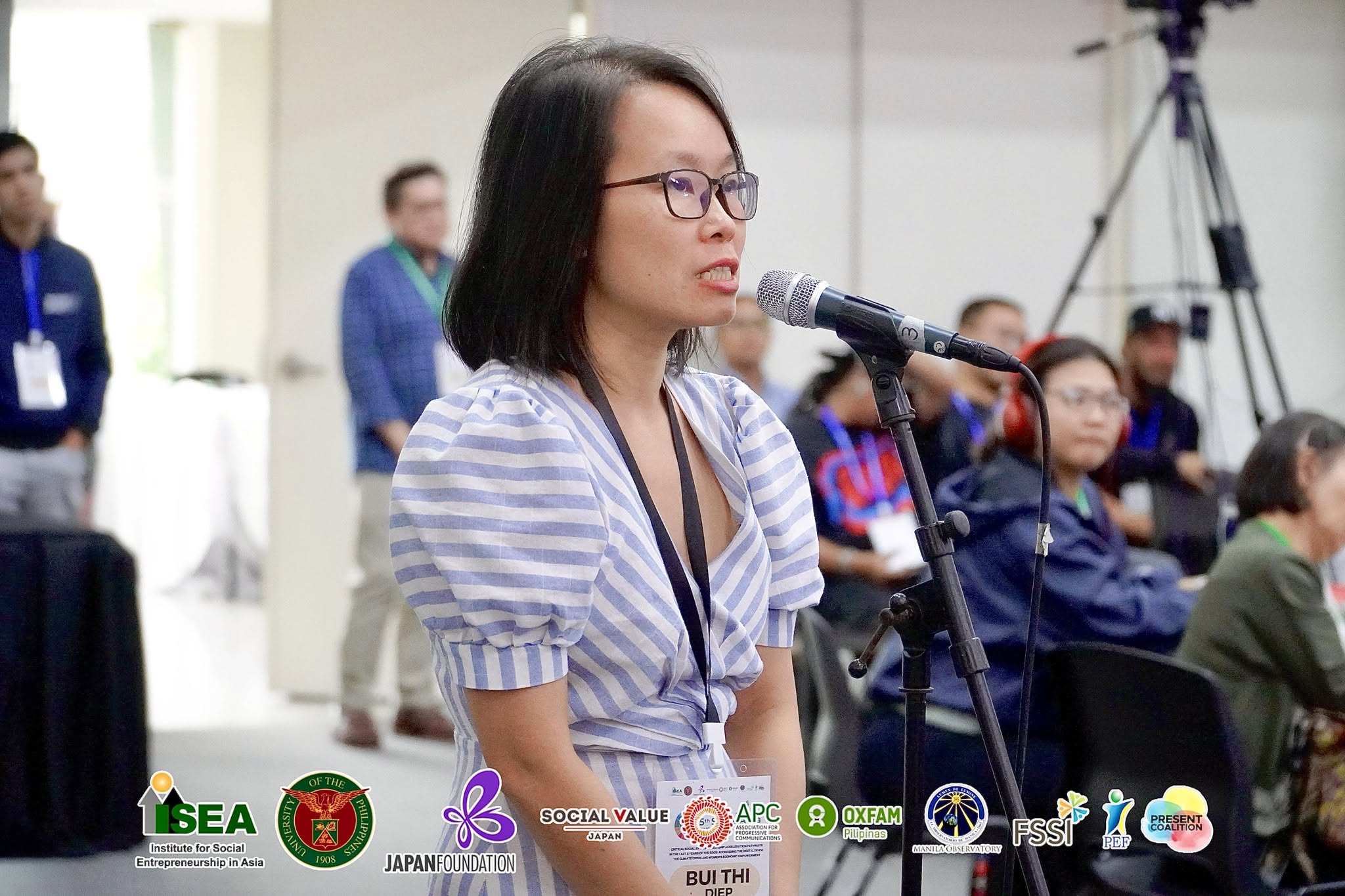
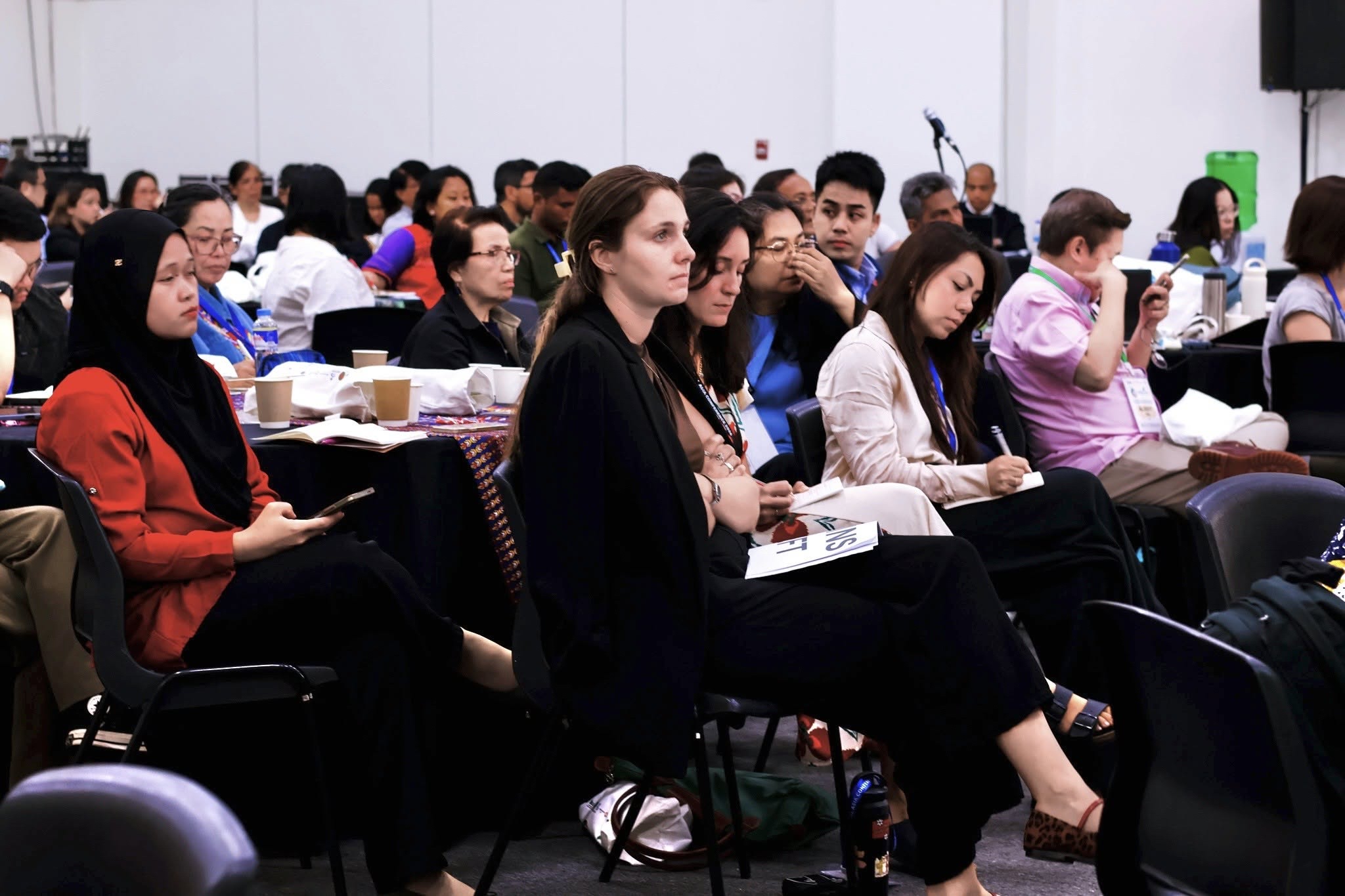
Keep Vietnam Clean (KVC) was honored to participate in the 5th Social Enterprise Advocacy and Leveraging (SEAL) Asia Conference, organized by the Institute for Social Entrepreneurship in Asia (ISEA) from 12–14 August 2026 at the GT-Toyota Asian Center Auditorium, University of the Philippines-Diliman. We went to argue one point: the circular economy in Vietnam will not succeed if it only handles the materials that are already profitable to recycle.
Since 2018, KVC has evolved from a grassroots organization into a hybrid social impact business. Today, we balance vital community projects with commercial services, all aligned with our core vision: a Vietnam with zero-waste cities. As a social enterprise working in the emerging circular economy sector, KVC used this platform to advocate for a more inclusive circular market and share our perspective on the development of a circular economy in Vietnam.
What this article covers
- The plastic and textile waste challenge facing the circular economy in Vietnam
- What the 94% / 71% gap in the World Bank data actually means
- The four priorities KVC raised at SEAL Asia 2026
- Where our work goes next
Circular economy in Vietnam: the challenge of plastic and textile waste
Building a circular economy in Vietnam comes with significant challenges in managing waste, particularly materials that are difficult to recover or have limited economic value. Two streams illustrate the problem better than any others: plastic and textiles.
Plastic: 94% by count, 71% by weight
Plastic waste remains a major environmental concern. According to the World Bank, plastic accounted for 94% of the items collected at surveyed river and coastal sites in Vietnam, but only 71% by weight. The same research estimated that around 3.1 million tonnes of plastic waste are discharged on land in Vietnam each year, with at least 10% reaching the ocean — roughly 310,000 tonnes annually.
The gap between those two percentages is worth pausing on, because it describes the problem more precisely than either figure alone. If plastic makes up almost every item found but a noticeably smaller share of the total mass, the plastic being found is light. Bags, film, wrappers, straws, foam fragments, bottle caps. Items that break apart rather than stay whole, and that a collector would have to gather by the hundred to fill a single sack.
That is exactly the material the recycling market ignores. A collection system paid by the kilogram has no economic reason to pick up a crisp packet, and no informal collector can make a living doing it. Single-use and low-value plastics therefore make up a significant share of leakage into the environment — not because nobody knows how to recycle them, but because nobody is paid to collect them in the first place. Stronger prevention, collection, sorting and recovery solutions all have to start from that fact.
Textiles: the biggest missed opportunity for the circular economy in Vietnam
Textile waste presents another challenge. Vietnam is one of the world’s major garment-exporting countries, and textile production generates significant amounts of waste as a by-product of that success. According to UNDP and GIZ, an estimated 10–25% of fabric used in garment manufacturing in Vietnam becomes post-industrial waste. Much of this material is down-cycled, while some is incinerated or sent to landfill.
The detail that matters here is the word post-industrial. This is offcut fabric that never reached a consumer — clean, sorted by material, and available in volume at a known location. By any technical measure it is the easiest textile waste in the country to recover. That so much of it is still down-cycled or burned says less about the difficulty of the material than about the absence of a pathway. Developing effective routes to reuse and recycle these materials remains one of the clearest opportunities for the circular economy in Vietnam.
These examples demonstrate why circularity cannot focus only on materials that already have established recycling markets. Low-value plastics and textile waste require practical solutions, stronger connections across the value chain, and greater support for the businesses and communities working to address them.
Advocating for an inclusive circular economy in Vietnam
At the SEAL Asia Conference, KVC highlighted four areas that need greater attention in building a more inclusive circular market.
1. Empower the vulnerable
We must build an ecosystem where micro, small and medium-sized businesses (MSMEs) like KVC and marginalized communities are structurally supported to thrive. The people already handling the least profitable waste streams — informal collectors, small sorting operations, community groups — are the ones with the least access to capital, equipment and policy support.
2. Boost upstream and downstream solutions
Effective waste reduction requires solutions across the entire value chain, from prevention and collection through to reuse, repair, recycling and responsible end-of-life treatment.
We see an urgent need to accelerate local technical innovations and practical circular pathways, particularly for waste streams that are difficult or uneconomical to process through conventional systems. A circular economy in Vietnam built only on downstream recycling capacity will keep receiving more material than it can absorb.
3. Address neglected waste
Some waste streams continue to fall through the gaps of existing waste management and recycling systems because they have limited economic value. It is time to establish proper treatment and circular solutions for low-value waste, including post-consumer textiles and the low-value plastics that the 94% / 71% gap describes.
4. Move towards collaborative action
The remaining years of the Sustainable Development Goals (SDGs) demand urgent and collaborative acceleration.
For KVC, advancing the circular economy in Vietnam towards zero-waste cities requires collective action to address systemic gaps, develop practical circular solutions, and ensure that currently neglected waste streams are not left behind. We are ready to work alongside partners to bridge systemic divides and push the boundaries of climate action and circularity.
Learn more about Keep Vietnam Clean’s work
Discover more about KVC’s work and journey towards a zero-waste Vietnam, and how each project connects back to the circular economy in Vietnam:
- Clean & Green for Climate: keepvietnamclean.org/cat-projects/clean-green-for-climate
- Community Beautification: keepvietnamclean.org/cat-projects/community-beautification
- Our story: keepvietnamclean.org/our-story