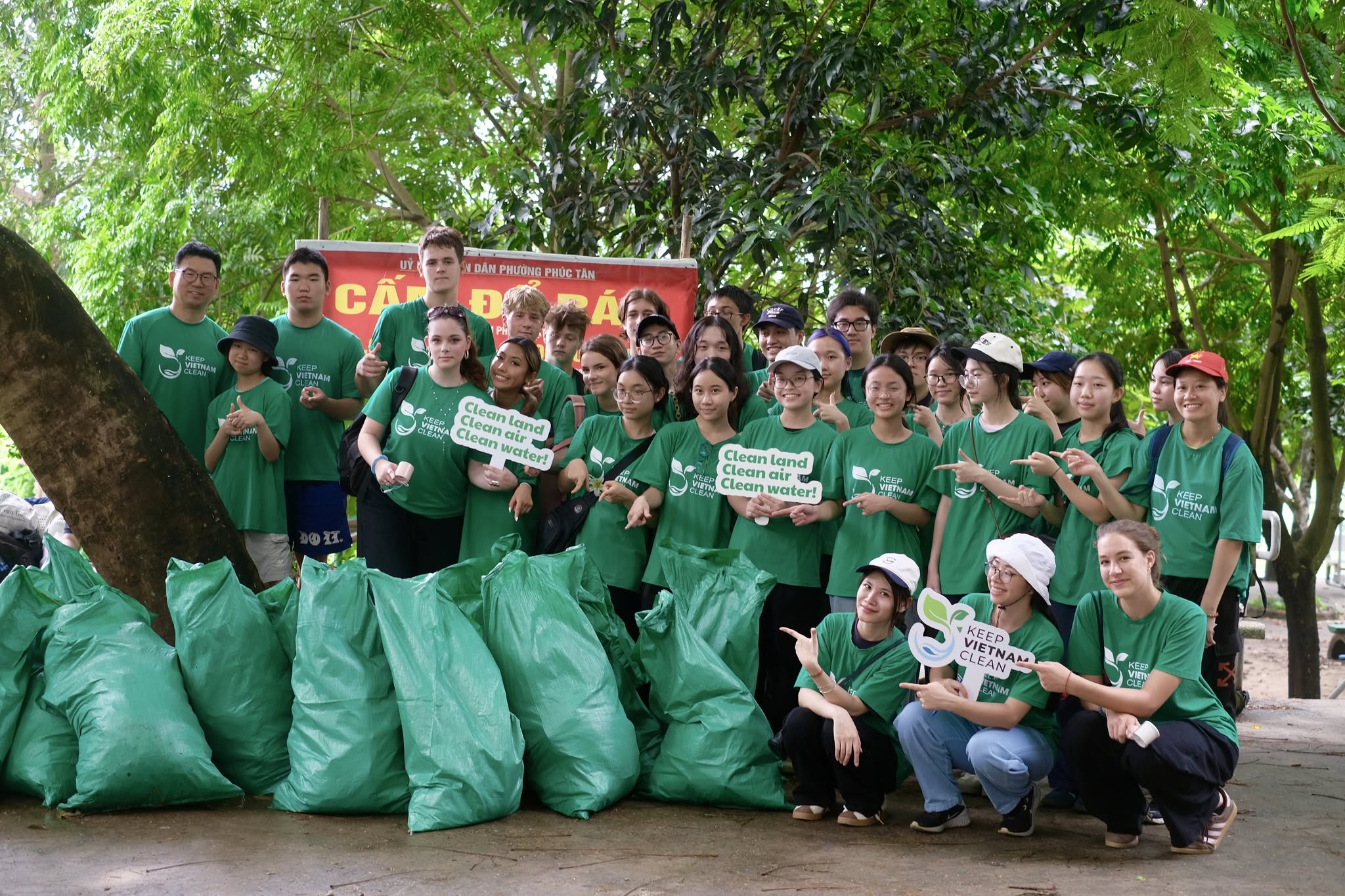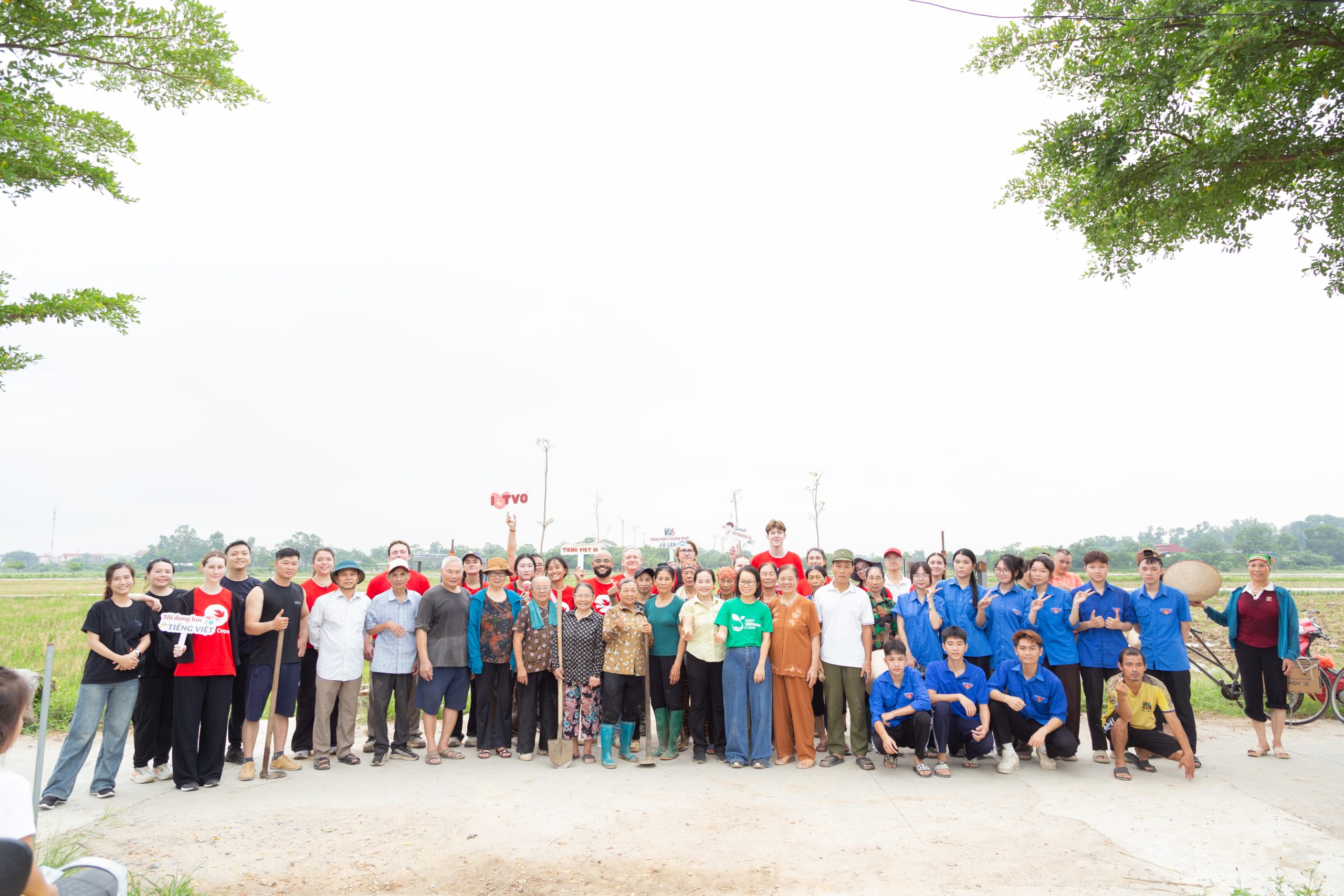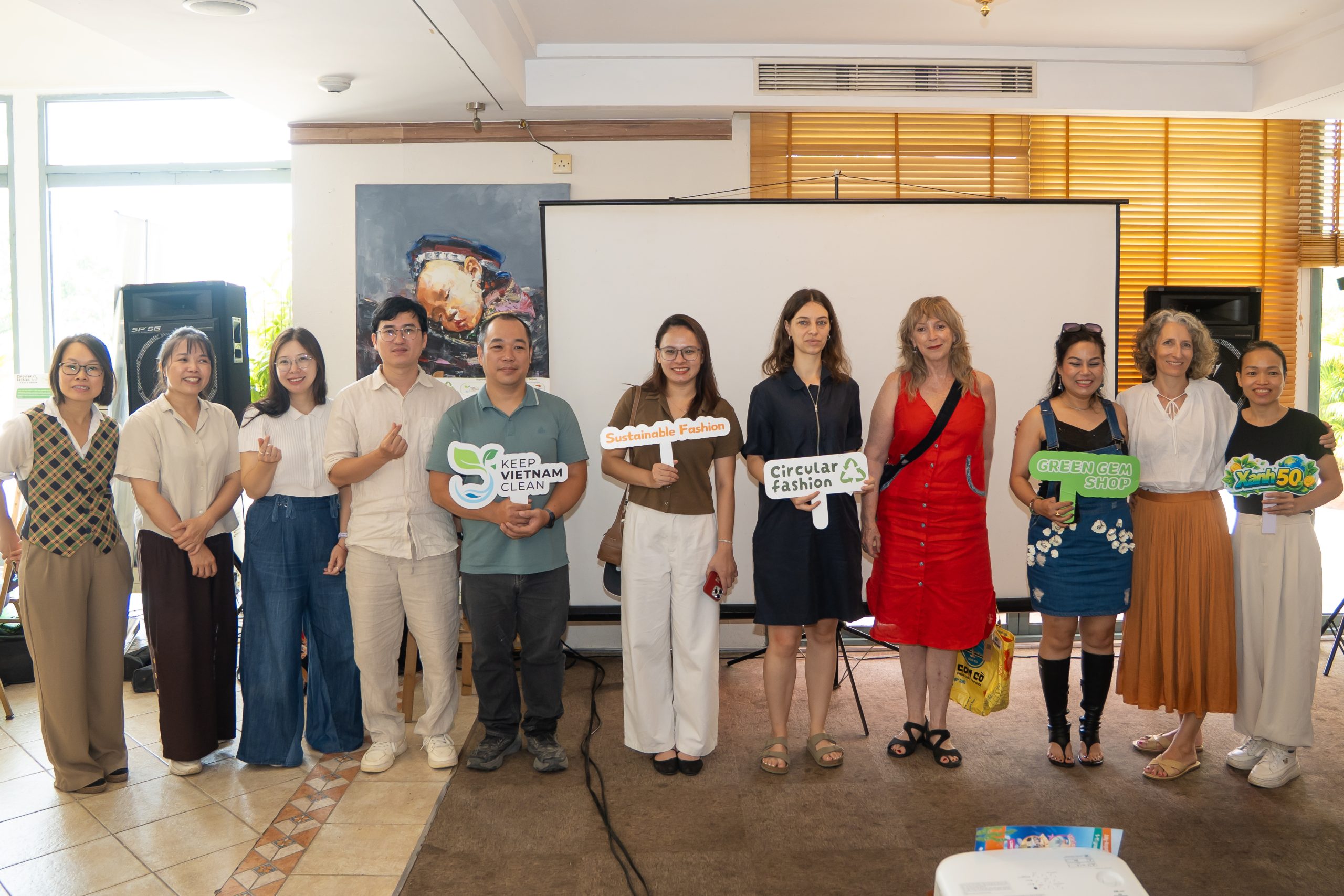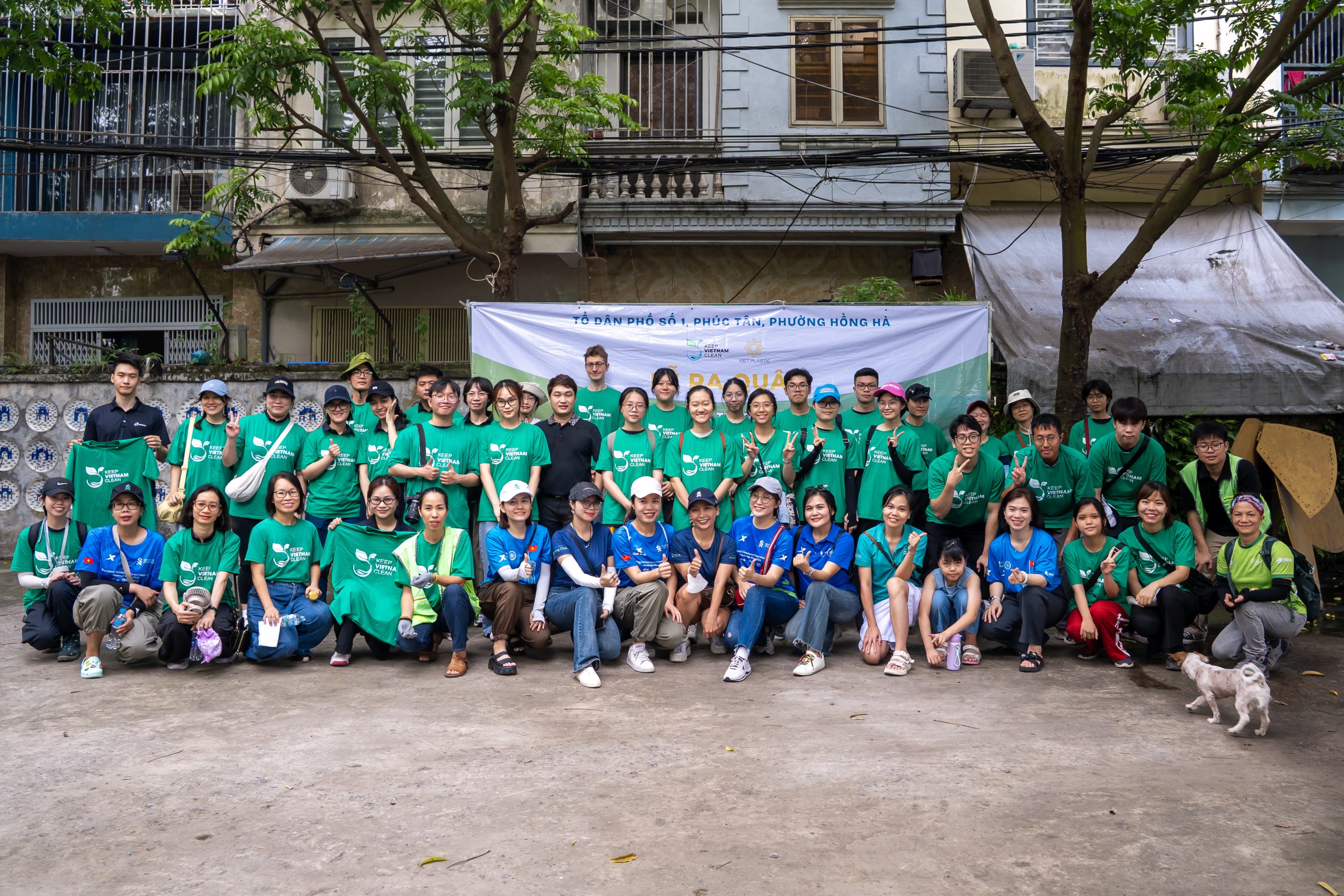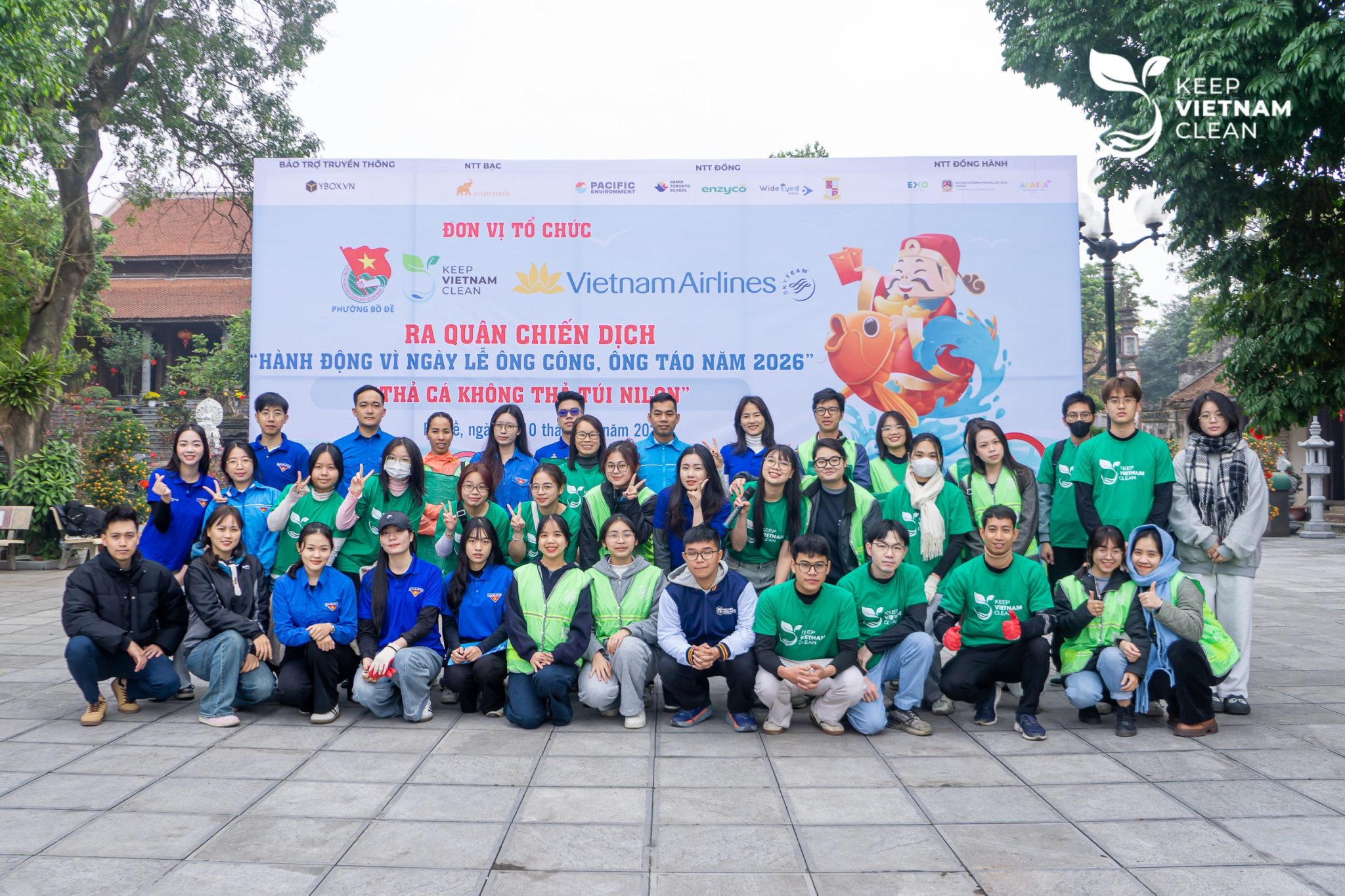


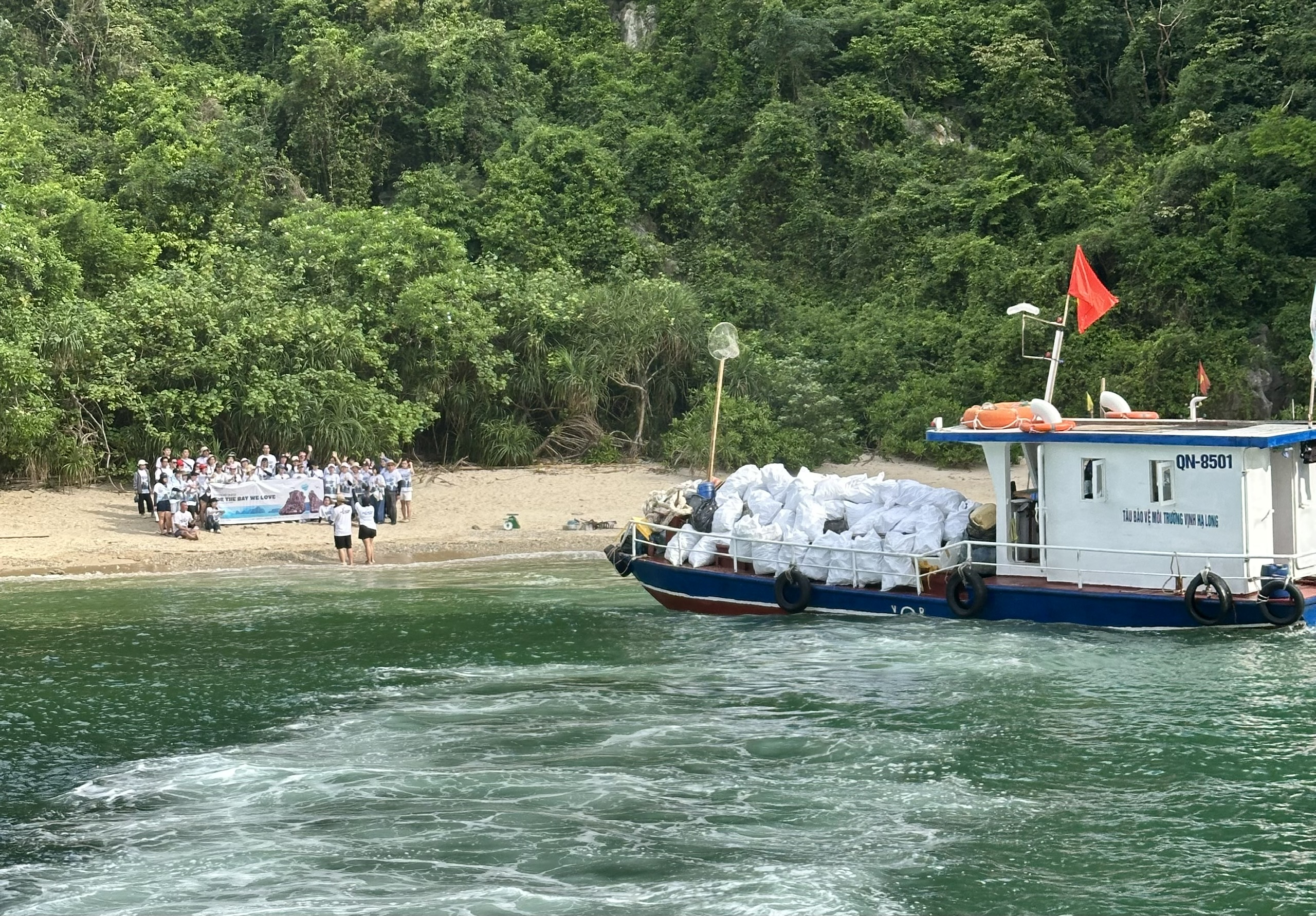
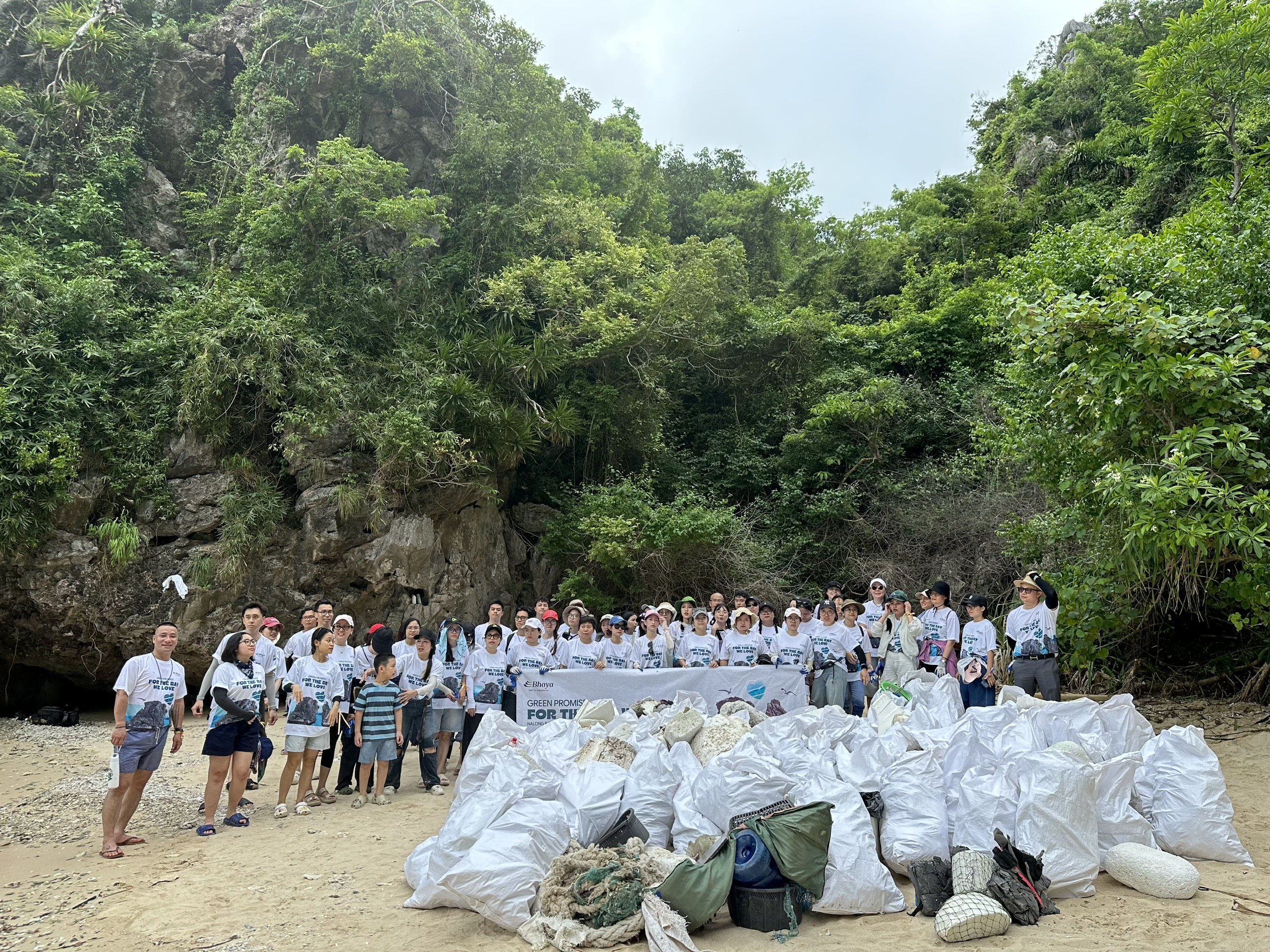
The Ha Long Bay cleanup held on 28 May 2026 brought Keep Vietnam Clean together with Bhaya Cruises and more than 100 volunteers under the message “Green Promise – For the Bay We Love”. In a single morning, the team covered over 2 kilometres of coastline and removed 622.2kg of waste from one of Vietnam’s most treasured seascapes.
This was far more than a collection drive. Every Ha Long Bay cleanup we run is designed as a learning experience — a chance for participants to understand where marine plastic actually comes from, and what each of us can realistically do about it.
What this article covers
- Why a Ha Long Bay cleanup matters right now
- Training volunteers before the first bag is filled
- Full results: 622.2kg across 2km of coastline
- What the waste breakdown actually tells us
- Sustainable tourism and small daily actions
- How to join the next cleanup
Why a Ha Long Bay cleanup matters right now
Ha Long Bay is a UNESCO World Heritage Site, yet it sits under constant pressure from plastic waste arriving through four main channels: tourism activity, aquaculture and fisheries, local household waste, and debris carried down river systems into the bay.
The damage runs deeper than the view. Coral reefs, seagrass beds and mangrove forests can unintentionally become “plastic traps”, snaring debris and degrading the habitats that hundreds of marine species depend on. Once plastic fragments into microplastics, recovery becomes almost impossible — which is precisely why removing waste early, before it breaks down, carries so much weight.
That urgency is what turns a Ha Long Bay cleanup from a feel-good weekend activity into genuine preventive work.
Training first: understanding the issue before taking action
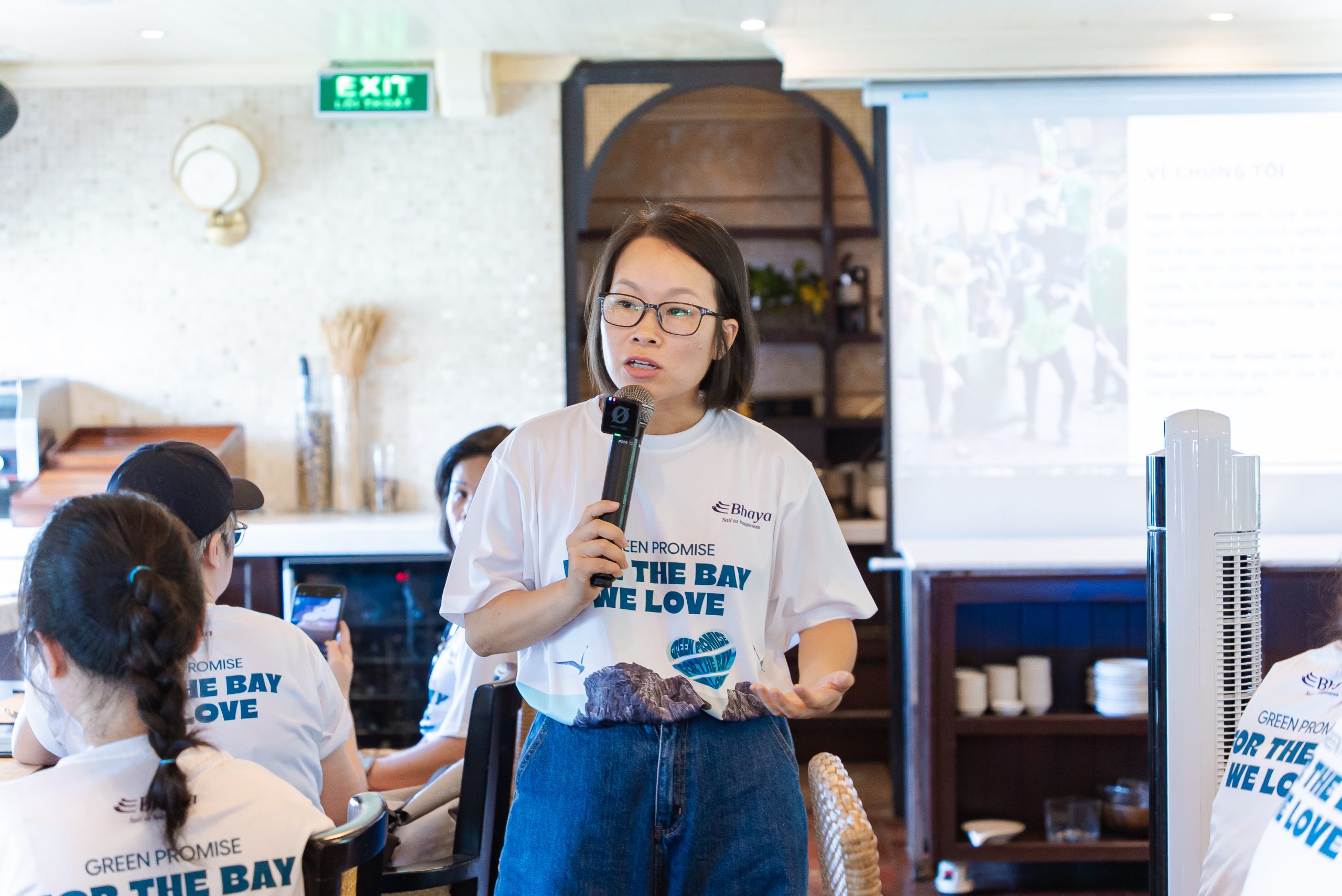
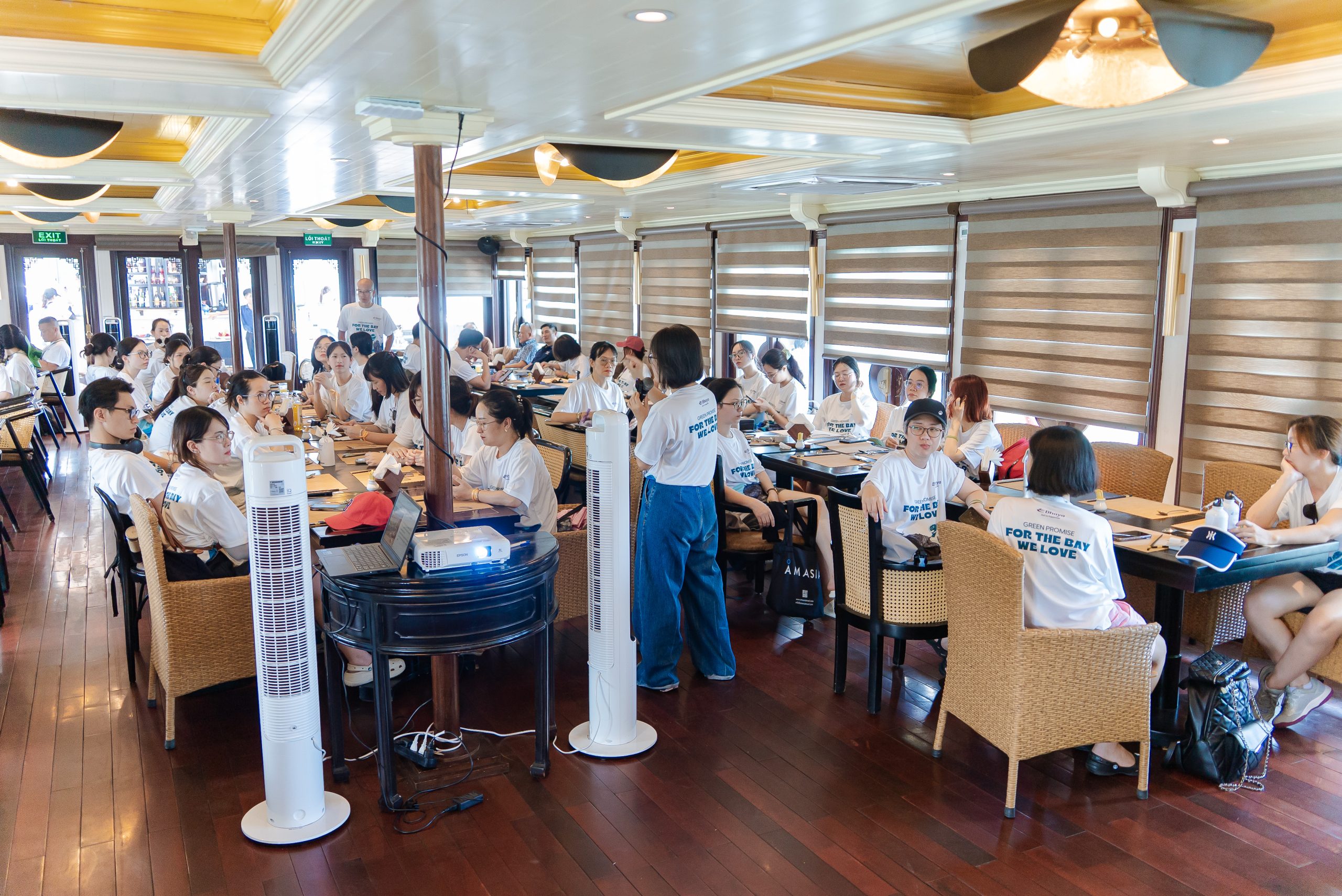
Before anyone picked up a bag, Ms. Bui Ngoc Diep, Director of Keep Vietnam Clean, led a short training session covering the current state of plastic pollution in the bay, the impact of waste on marine ecosystems, and safety guidelines for collection.
Volunteers were then shown how to identify and sort the waste categories they would encounter:
- Common inorganic household waste — plastic bags, bottles, metal cans
- Aquaculture-related waste — foam buoys, fishing lines, nets
- Hazardous waste — items requiring careful separate handling
This step is deliberate, and we never skip it. A cleanup that ends when the bags are full changes a beach for a week. A cleanup that teaches people to read their own waste stream changes habits for years. That is the standard we hold every Keep Vietnam Clean programme to, whether we are working on a city canal or an island shoreline.
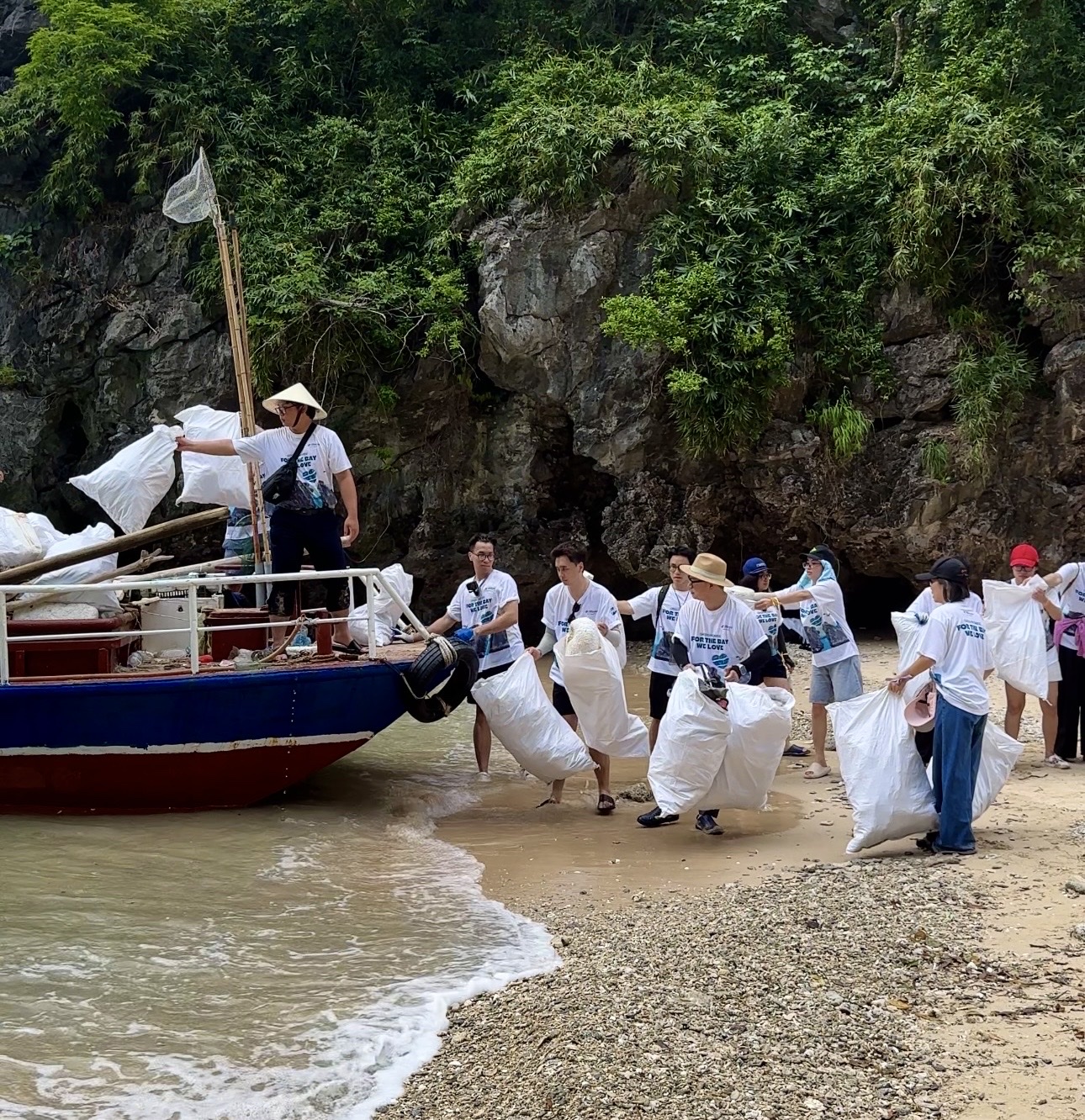
Over 620kg of waste collected across 2km of coastline
Working in a spirit of shared responsibility, volunteers covered more than 2 kilometres of shoreline. The final tally from this Ha Long Bay cleanup:
- 223.5kg — plastic waste
- 176.2kg — foam waste
- 190kg — fishing nets, ropes and tarpaulins
- 32.5kg — other waste
Every bag removed lowers the risk of that waste drifting further out, fragmenting into microplastics, or entangling marine life. At this scale, the difference is measurable rather than symbolic.
What the waste breakdown actually tells us
The numbers are worth reading closely. Foam and discarded fishing gear together accounted for roughly 59% of everything collected — 366.2kg out of 622.2kg. Household-style plastic, the category most people picture when they imagine a beach cleanup, made up barely a third.
That distribution points somewhere specific. Marine debris in this region is driven as much by working activity on the water as by visitors leaving litter behind. Foam buoys degrade quickly under sun and salt, shedding particles continuously; abandoned nets keep fishing long after they are lost, a phenomenon known as ghost fishing.
Understanding this changes what an effective Ha Long Bay cleanup looks like. Volunteer collection handles what has already washed ashore, but lasting improvement also depends on working with operators and fishing communities on how gear is maintained, replaced, and disposed of.
Sustainable tourism: protecting Ha Long Bay starts with small actions
Cleanups treat the symptom. Prevention is where the real leverage sits, and it is built from ordinary decisions: refusing single-use plastics on board, sorting waste properly, reusing what can be reused, and choosing operators who take their environmental footprint seriously.
None of these feel dramatic on their own. Multiplied across the millions of people who visit the bay each year, they decide whether the next generation inherits a living ecosystem or a heritage site in visible decline.
Keep Vietnam Clean extends sincere thanks to Bhaya Cruises for sustaining this initiative year after year, and for creating a space where green living spreads through real, tangible action rather than slogans.
Join the next Ha Long Bay cleanup
Every cleanup we run depends on people who decide to show up. If this Ha Long Bay cleanup resonated with you, there are three practical ways to be part of the next one:
- Become a member and join our volunteer events across Vietnam
- Support our work so we can run more cleanups and training sessions
- Bring your company on board as a corporate partner, the way Bhaya Cruises has
For the bay we love — for a greener and cleaner Ha Long Bay.
#KeepVietnamClean #BhayaCruises #GreenPromise #ForTheBayWeLove #CleanTheBay #HaLongBay