
 Tiếng Việt

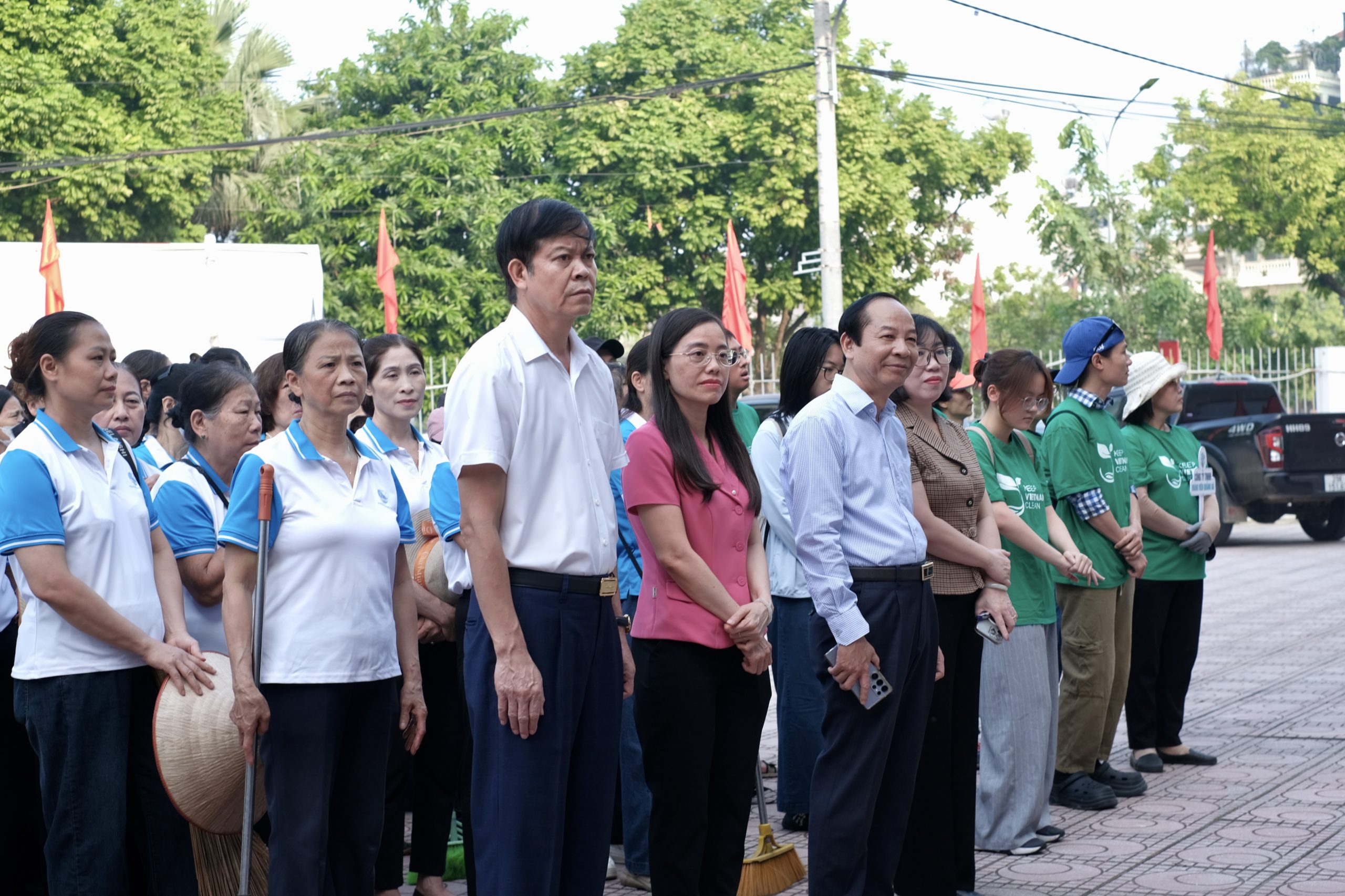
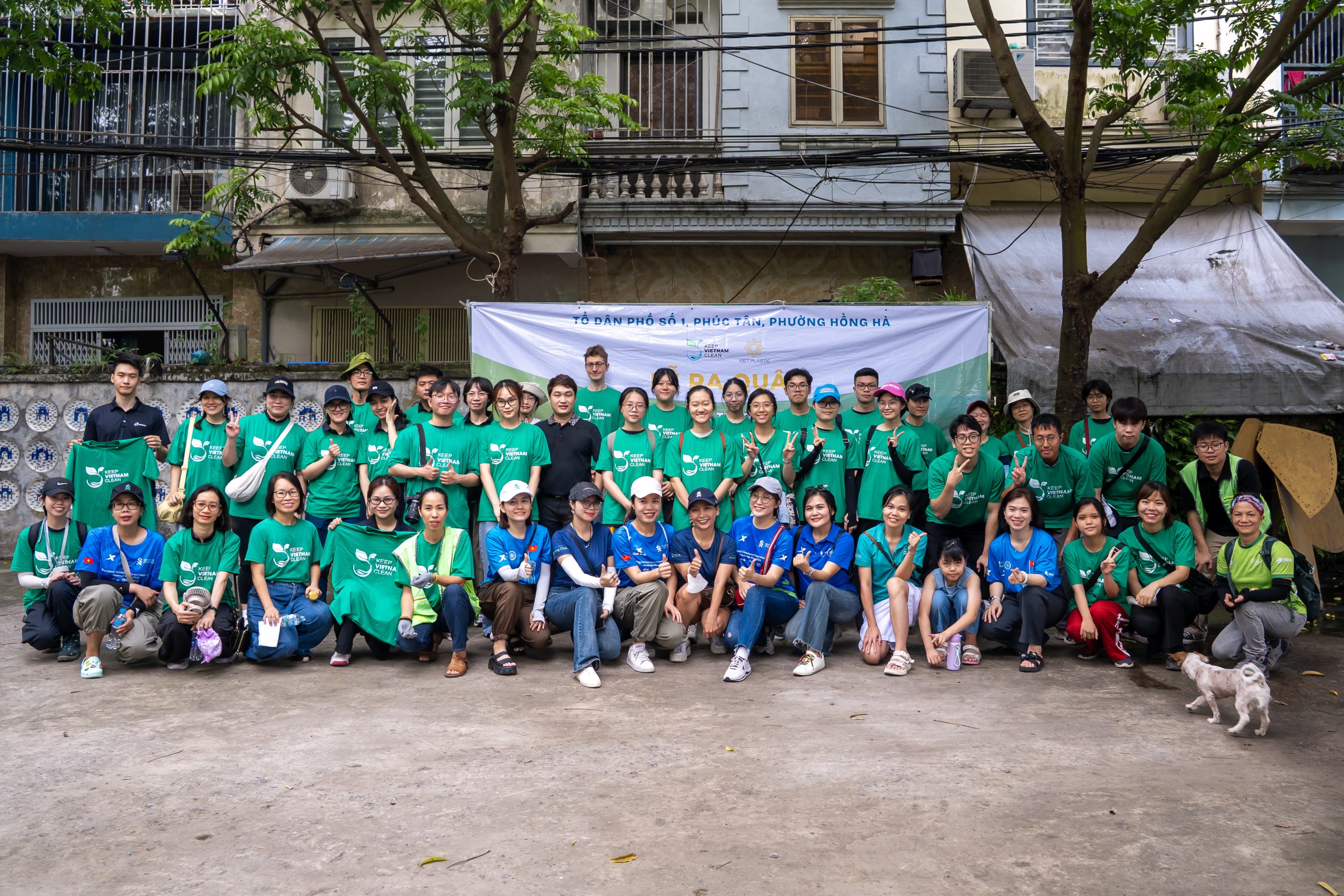
On 8 and 10 February 2026 — the 21st and 23rd days of the twelfth lunar month — Keep Vietnam Clean ran a Hanoi riverbank cleanup across five locations in Bo De Ward and Thuy Loi Village, as part of the “Kitchen God Day 2026 – Action for the Kitchen Gods Festival” campaign.
2026 marks the 10th anniversary of the campaign, run every year to encourage sustainable ritual practice and reduce pollution during the Lunar New Year period.
What this report covers
- The five cleanup locations and why they matter
- Nearly 2 tonnes collected and sorted
- A first recycling pilot for clean plastic bags
- 120 volunteers and the organisations behind them
- Sponsors and partners
Five locations for the Hanoi riverbank cleanup
This Hanoi riverbank cleanup covered:
- Bo De Pagoda, Bo De Ward
- Ghenh Temple, Bo De Ward
- Alley 2 Phu Vien, Bo De Ward
- Ngoc Lam Ferry Terminal, Bo De Ward
- Area 7, Thuy Loi Village
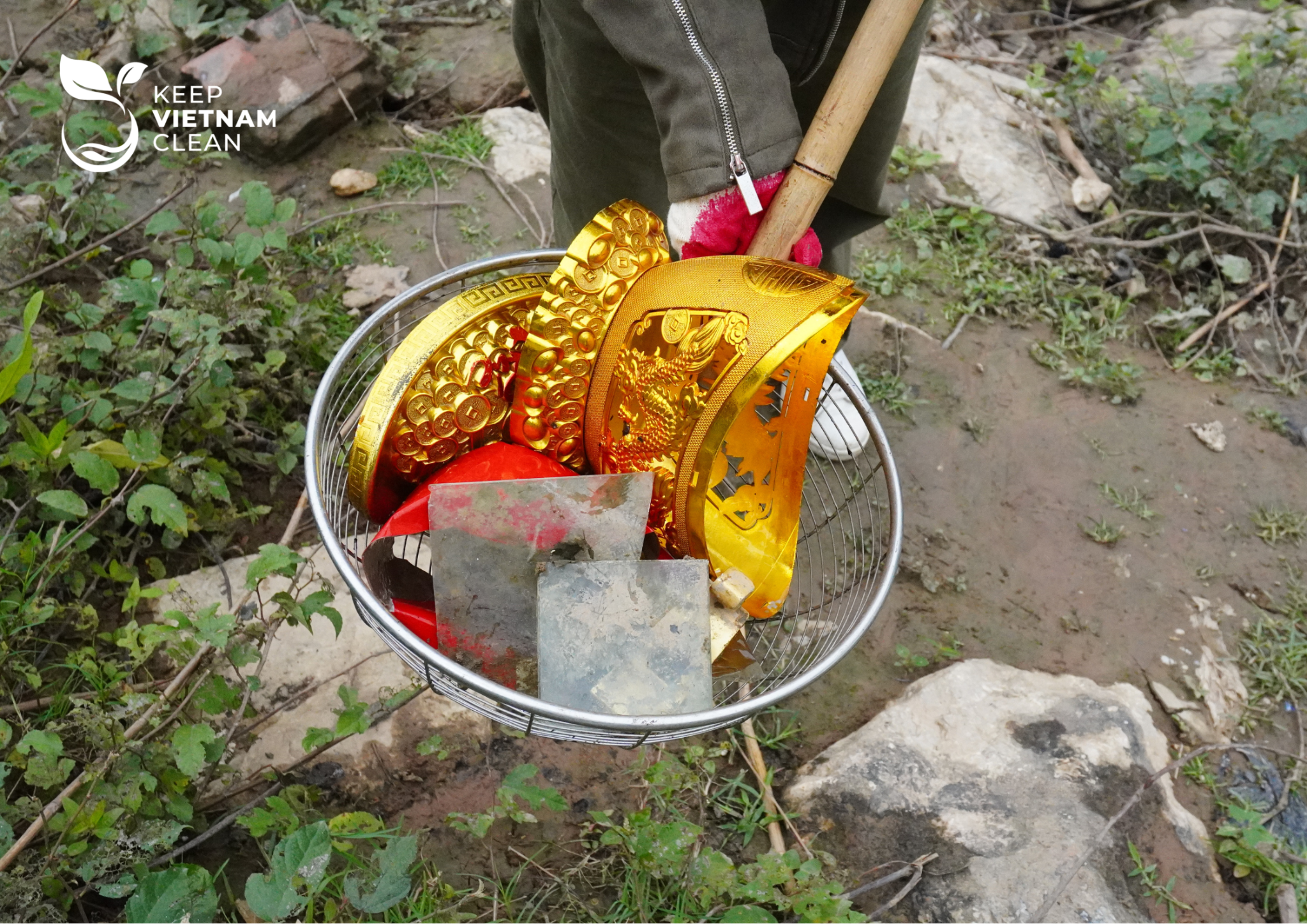
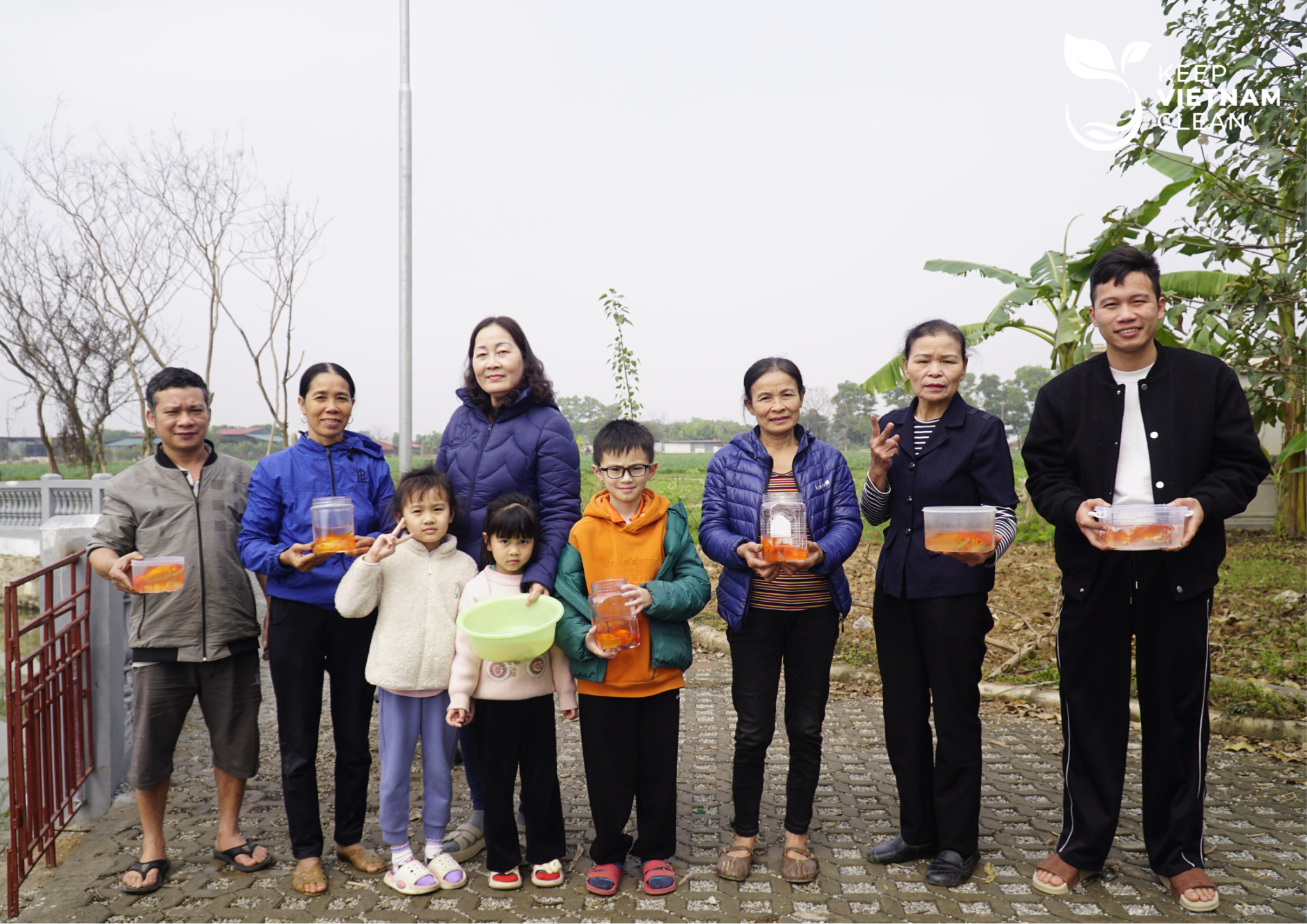
These are not random stretches of bank. They are the gathering points where residents come to release carp and burn joss paper offerings before the Kitchen Gods Festival — the moment when the Kitchen Gods are believed to travel to heaven on the back of a carp to report on the household year.
Because the ritual concentrates in a handful of spots over two or three days, the waste concentrates with it: ash, ceremonial items and the plastic bags the carp arrive in, all left along the water’s edge. Choosing where to work is therefore half the job, and it is why this Hanoi riverbank cleanup returns to the same five sites each year.
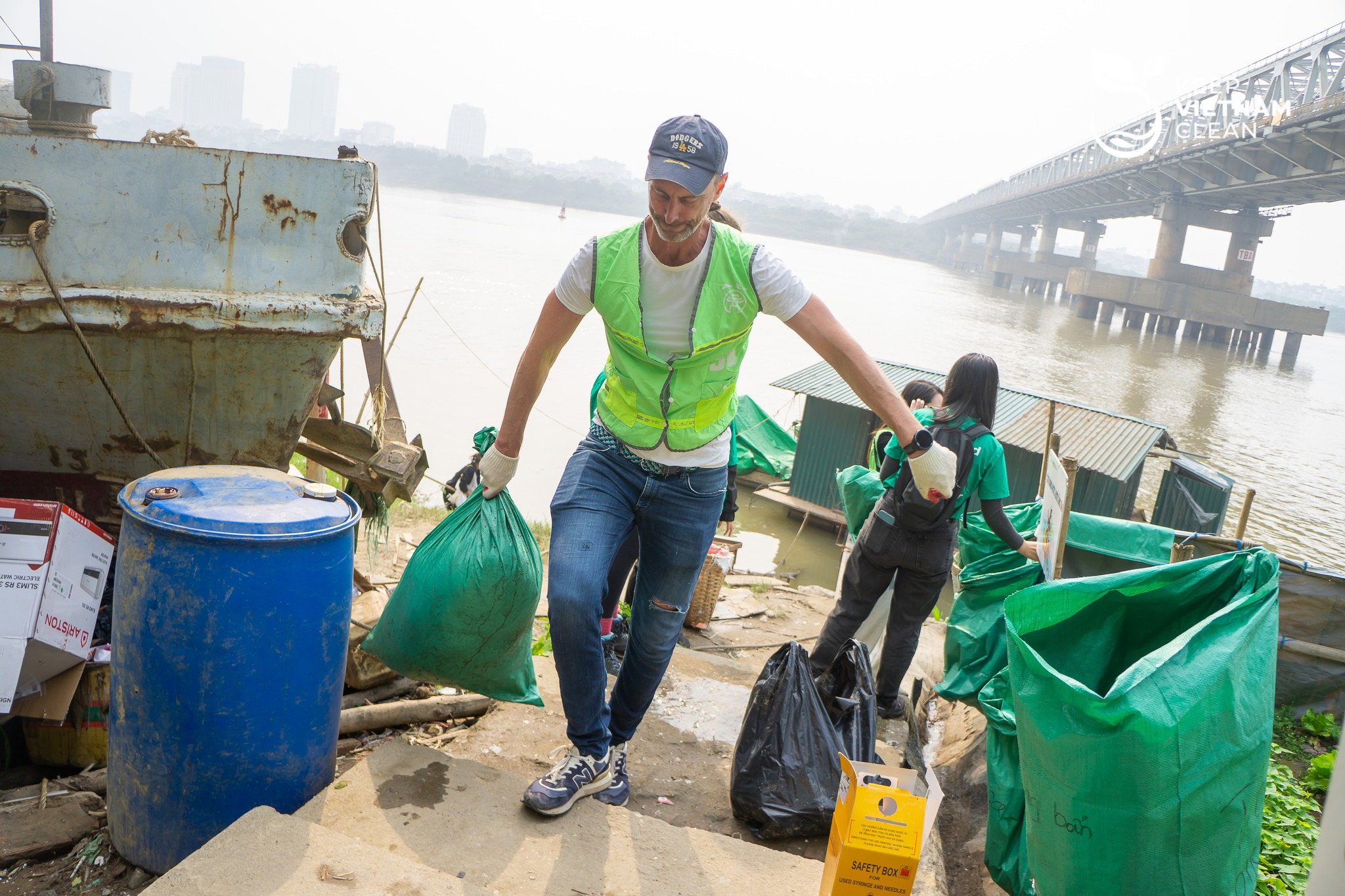
Nearly 2 tonnes collected and sorted
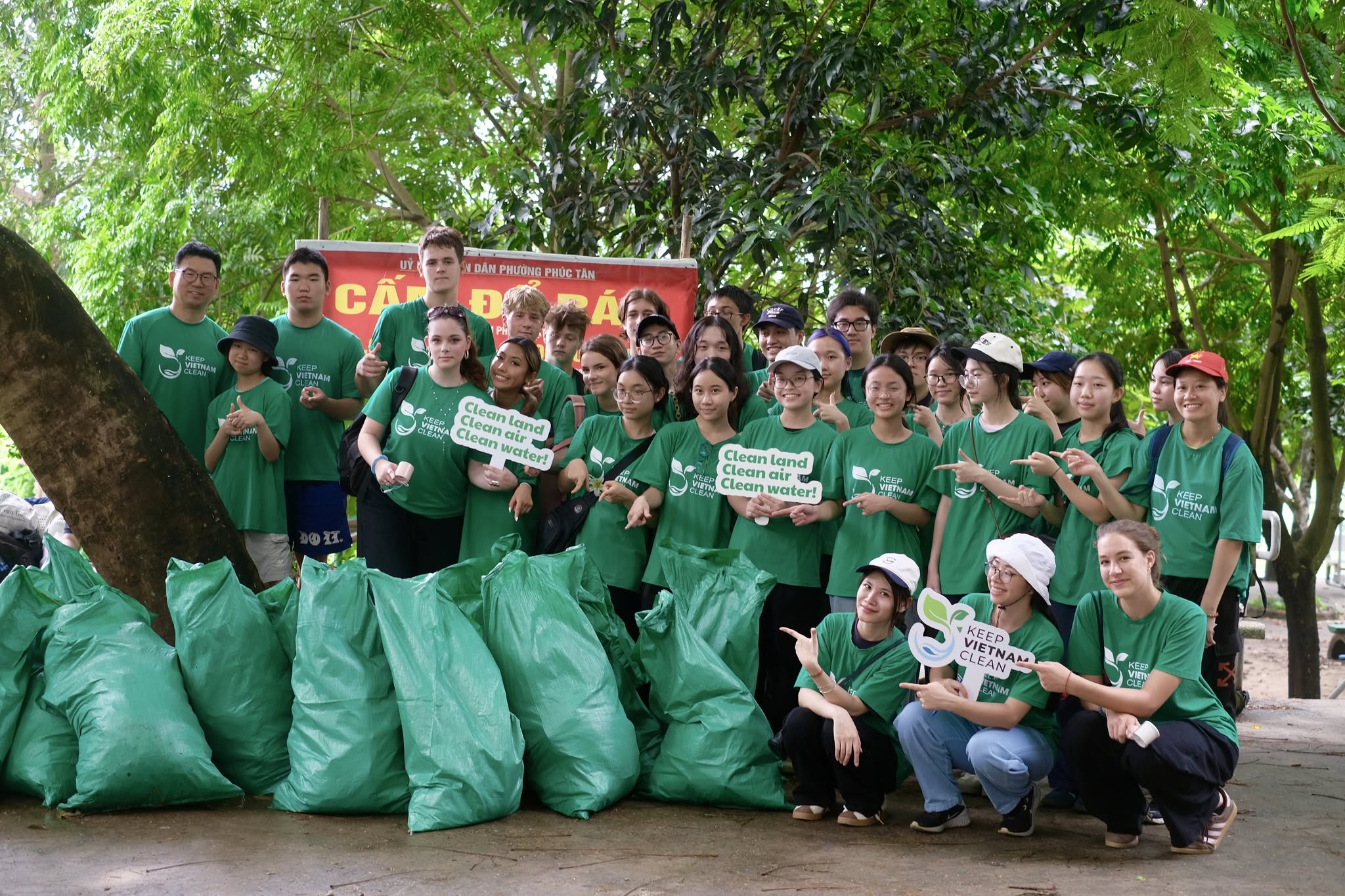
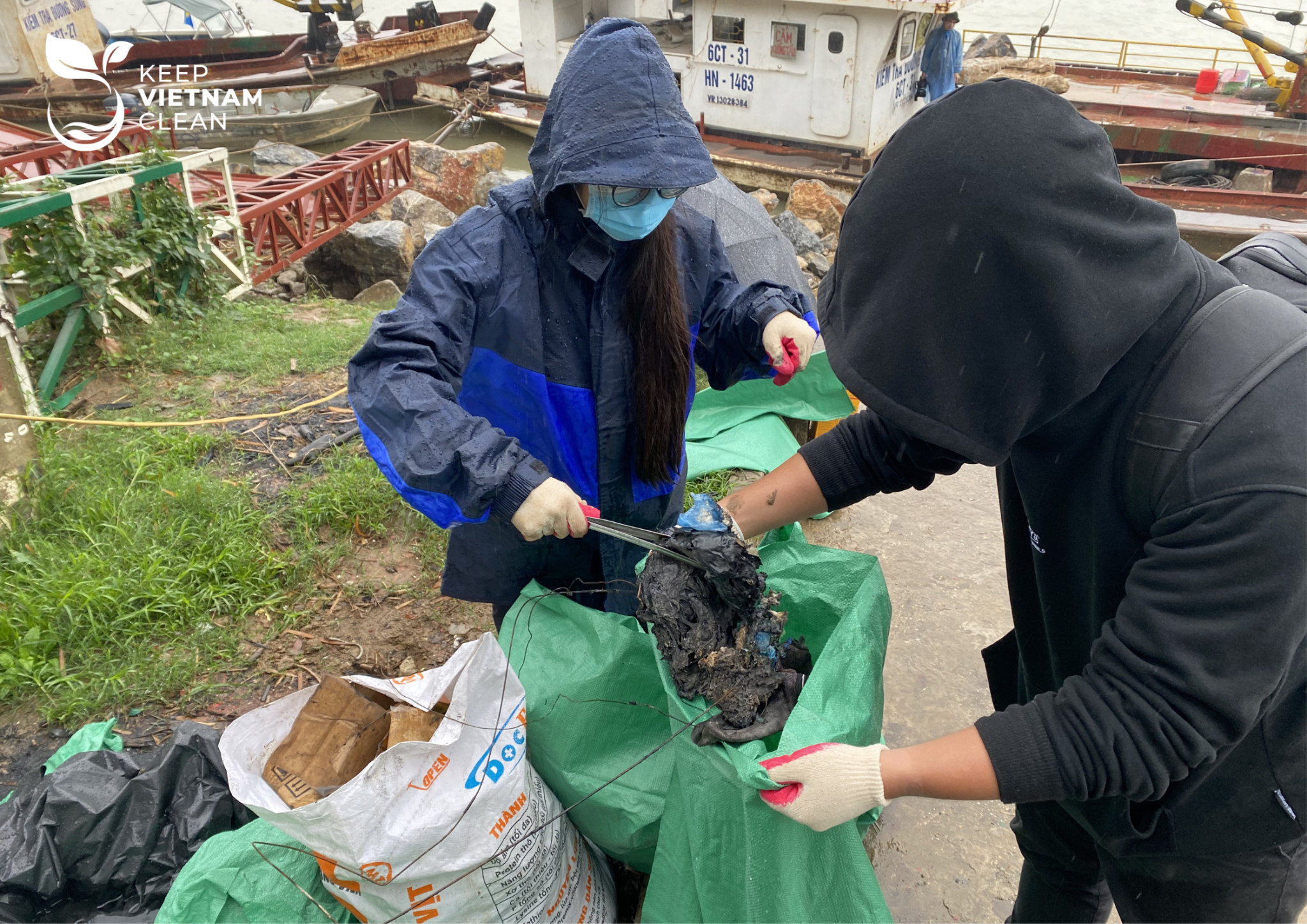
Across the two days, the Hanoi riverbank cleanup collected and sorted 1,991.4kg — almost two tonnes:
- 780.7kg — votive paper ash
- 603kg — ceremonial offerings
- 306.4kg — plastic waste, mostly plastic bags
- 301.3kg — other waste (ceramic fragments, packaging, mixed materials)
Ash and ceremonial offerings together make up 1,383.7kg, or 69.5% of the total. Plastic accounts for 15.4%. In other words, the dominant waste stream at these sites is the ritual itself rather than casual littering — which is why the campaign pairs every Hanoi riverbank cleanup with community training rather than relying on collection alone.
A first recycling pilot for clean plastic bags
For the first time in a Hanoi riverbank cleanup, KVC piloted the collection, sorting and transport of 46.9kg of clean plastic bags — wet but uncontaminated plastic — working with a sorting facility in Bac Ninh and the Vinatic recycling plant in Hai Phong.
That is a 15.3% recovery rate against the plastic collected. Modest, and deliberately measured: it is a real baseline to improve on, and it proves the chain from riverbank to recycling plant can actually be closed. KVC will continue researching treatment routes for ash and low-value plastics, the two streams that remain hardest to process.
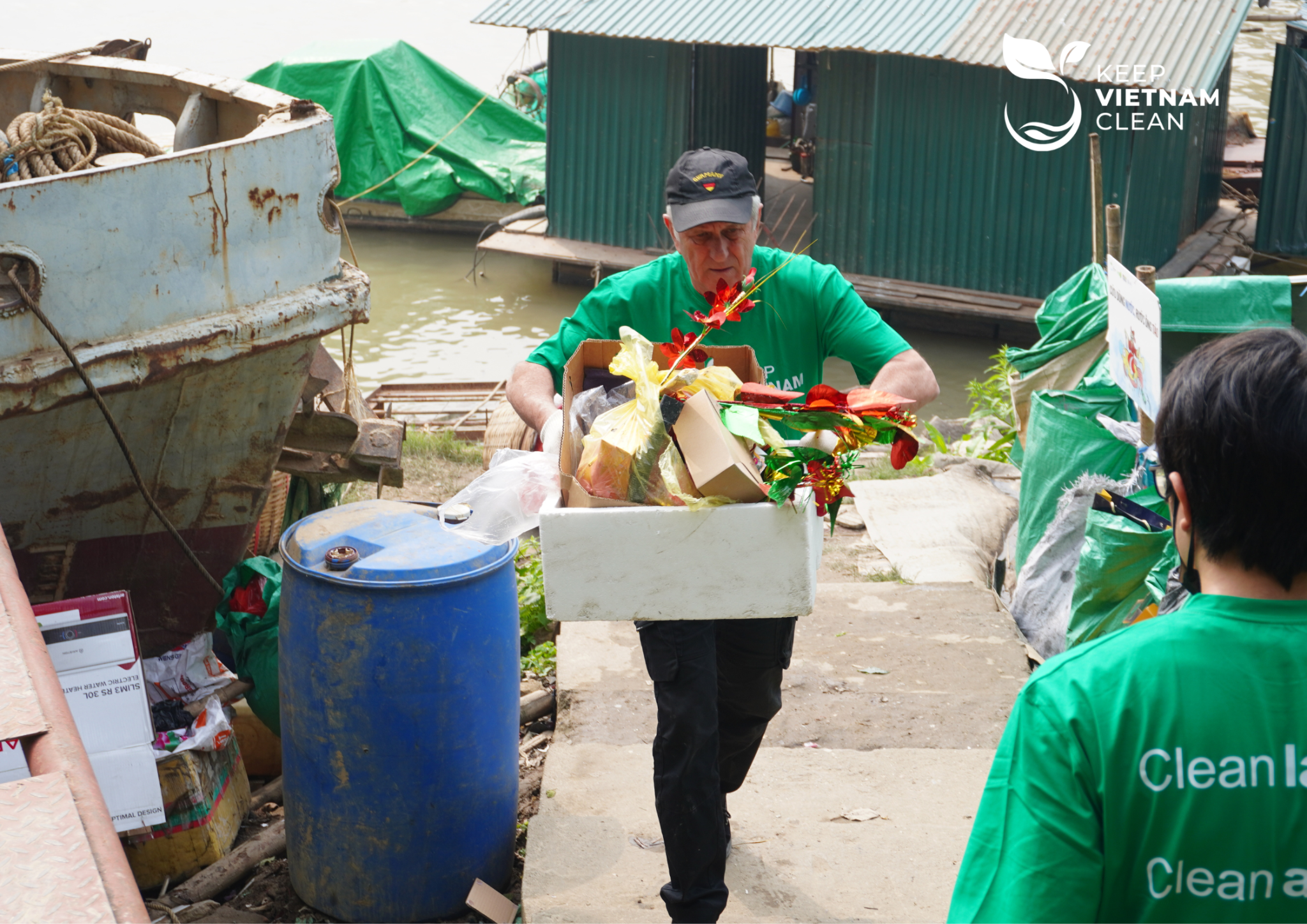
120 volunteers take action
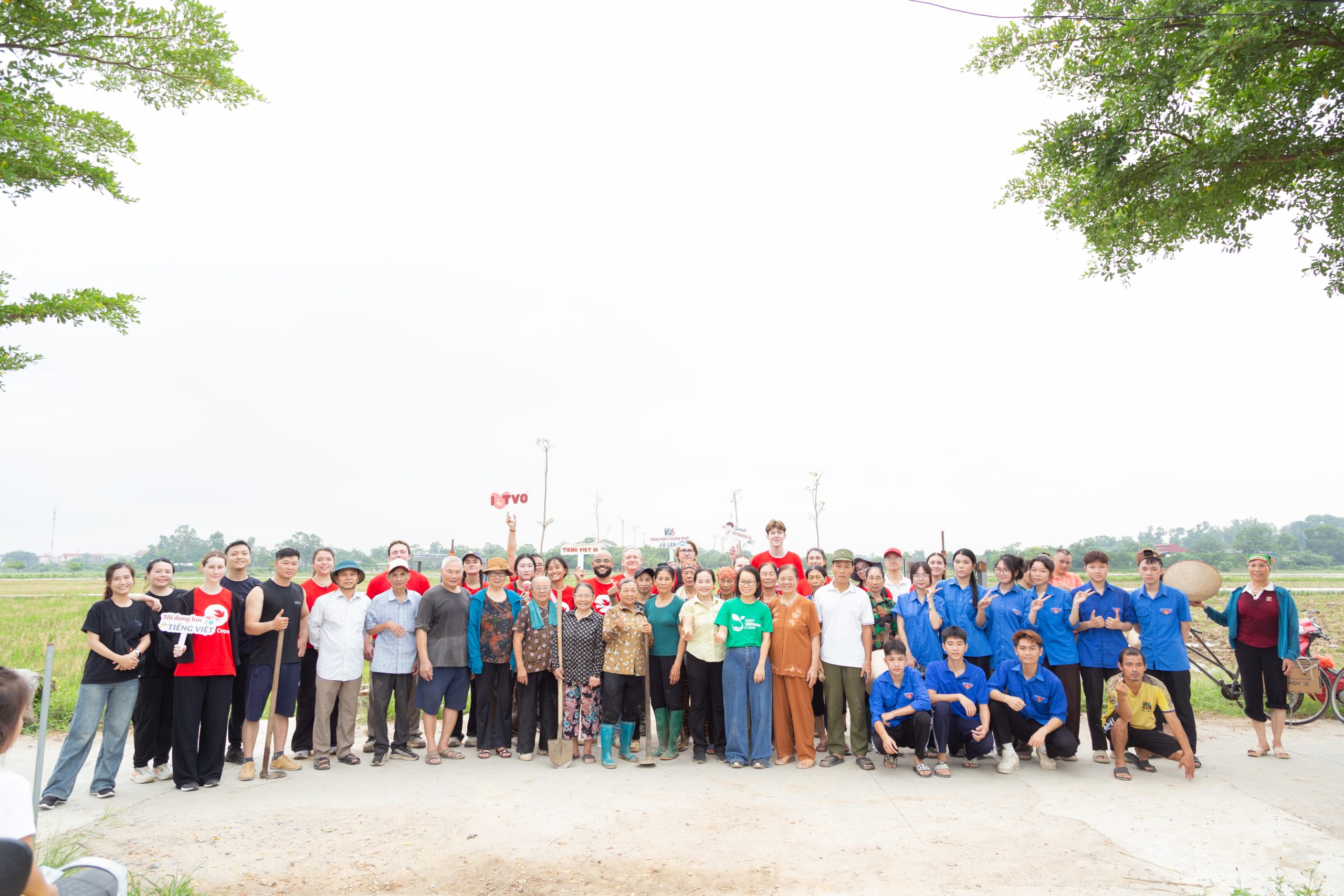
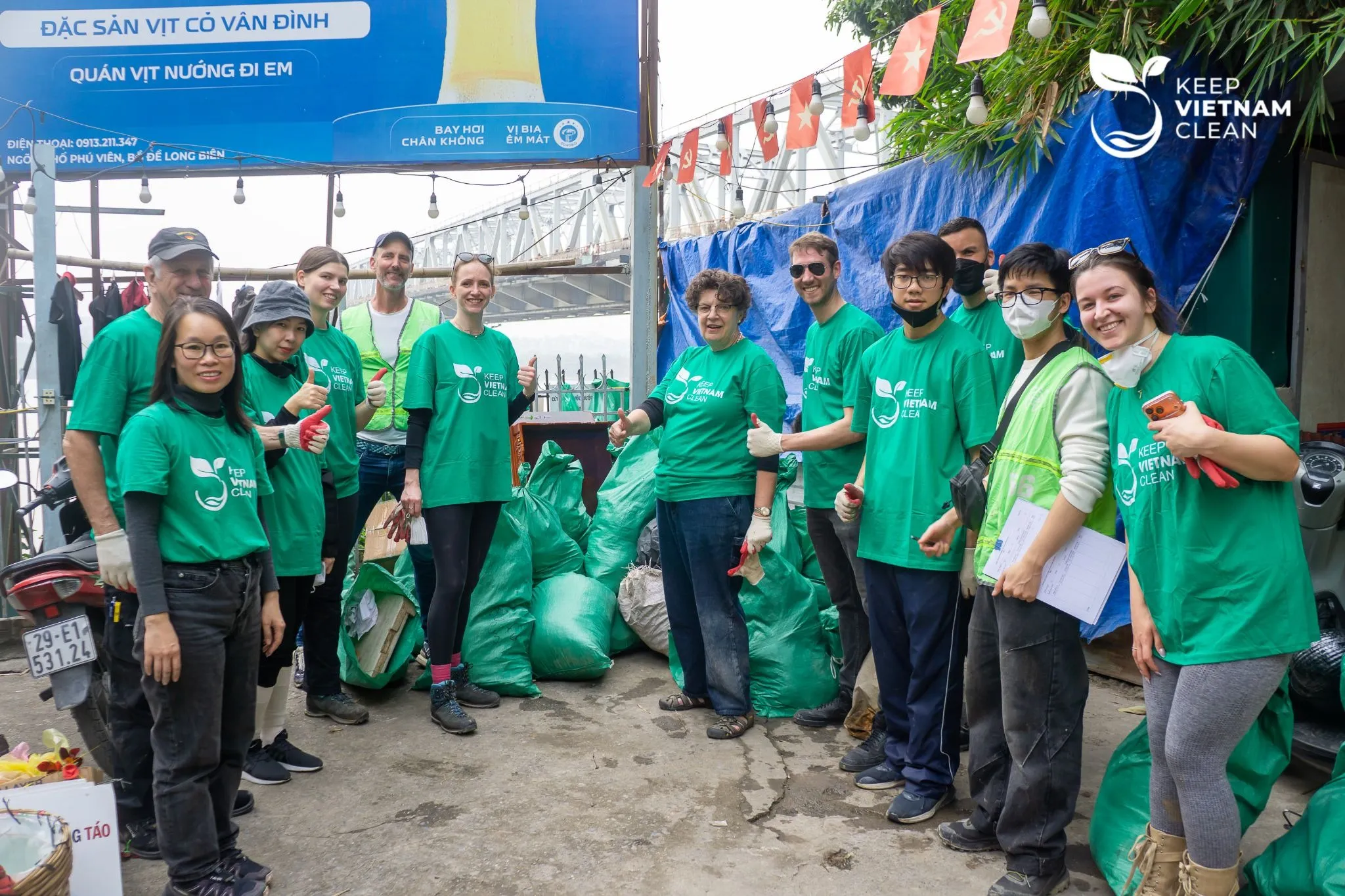
The Hanoi riverbank cleanup welcomed 120 volunteers from:
- Ho Chi Minh Youth Union of Bo De Ward
- Youth Union of Vietnam Airlines
- German Embassy Hanoi
- Volunteer team of InterContinental Hanoi Landmark72
- Volunteers from Keep Vietnam Clean
Vietnam Airlines sponsored 50 meals across the two days and assigned staff to support on site directly — the kind of practical backing that keeps a two-day Hanoi riverbank cleanup running at this scale.
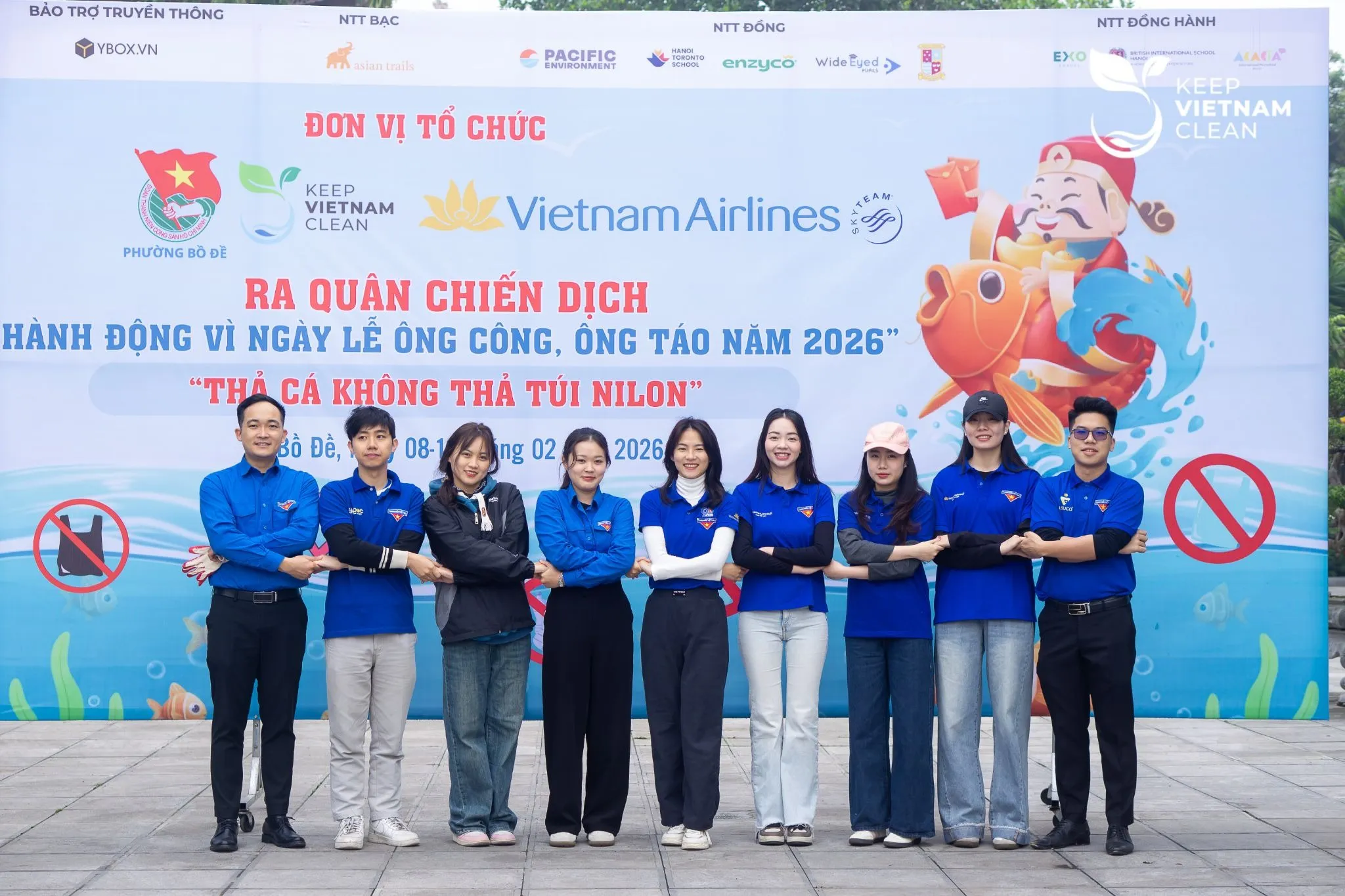
Thank you to our partners
Keep Vietnam Clean sincerely thanks:
- Accompanying Sponsors: EXO Travel, British International School Hanoi (BIS), Acacia International Pre-school
- Silver Sponsor: Asian Trails
- Bronze Sponsors: Pacific Environment Vietnam (PEVN), Hanoi Toronto School (HTS), Enzyco, Wide Eyed Tours & Travel, Kapiti College
Together for a greener, more sustainable Tet
What KVC values most after each programme is not only the knowledge shared, but the willingness to listen and to change that we meet in the community. A sustainable Tet does not come from grand gestures. It comes from small everyday choices: one less bundle of votive paper, one more act of sorting, one fewer plastic bag.
Burning joss paper releases fine particulates and other pollutants that affect air quality and household health, alongside what settles into the river. Reducing it protects the people performing the ritual as much as the water.
The full campaign figures — including training sessions, communications reach and the TikTok contest — are set out in our Kitchen God Day 2026 campaign summary report.
Three ways to join the next Hanoi riverbank cleanup:
- Become a member and join our volunteer events across Vietnam
- Support our work so we can run more cleanups and training sessions
- Explore our programmes and bring your organisation on board as a partner
#KeepVietnamClean #KitchenGodDay2026 #GreenTet